
Business
GMX Resource: GMX Resources Inc. History and Status


I tend to treat a search like “gmx resource” as a clue rather than a perfectly spelled company name, because the phrase points most strongly to GMX Resources Inc., a former U.S. independent oil and gas producer headquartered in Oklahoma City. If that is what brought you here, the useful answer is not just what the company did. It is also why old references to GMXR stock, Bakken acreage, Haynesville gas assets, and later Thunderbird Resources can appear to describe different businesses when they are actually parts of the same corporate story.
GMX Resources began as an Oklahoma corporation in 1998 and built its early identity around natural gas development in East Texas. It later expanded toward oil-heavy shale plays, especially the Bakken and Three Forks system in the Williston Basin, as weak natural gas economics made a gas-weighted portfolio harder to finance. That strategic shift created a company with meaningful resource acreage, producing wells, drilling obligations, debt, and a continuing need for capital at the same time.
The turning point came on April 1, 2013, when GMX Resources Inc., Diamond Blue Drilling Co., and Endeavor Pipeline Inc. filed for Chapter 11 protection in the Western District of Oklahoma. The company said low natural gas prices and the capital needs of its operations had left it without a viable long-term liquidity solution. A court-confirmed reorganization later converted the operating business into privately held successor entities. This guide explains the GMX resource story in practical terms: what GMX Resources was, where its main assets sat, why the business changed direction, what bankruptcy altered, and what an investor, researcher, mineral owner, or industry reader should verify when encountering the name today.
What does the GMX resource search usually refer to?
The phrase “gmx resource” most likely refers to GMX Resources Inc., an Oklahoma-based exploration and production company that developed oil and natural gas properties in the United States. The legacy public company filed Chapter 11 in 2013 and its 2014 reorganization moved the operating assets into privately held successor entities, so old GMXR references should be read as historical rather than as a current public-stock profile.
GMX Resources was not a mining company and it was not the GMX cryptocurrency exchange. In the oil and gas context, “resource” described the company’s portfolio of unconventional hydrocarbon plays, including the Haynesville/Bossier and Cotton Valley formations in East Texas and, later, oil-focused acreage in the Williston Basin.
For readers trying to identify the entity quickly, the table below separates the key facts from similarly named subjects.
| Item | GMX Resources Inc. fact |
| Industry | Oil and natural gas exploration and production |
| Headquarters | Oklahoma City, Oklahoma |
| Incorporated | 1998 in Oklahoma |
| Legacy ticker | GMXR; later GMXRQ during bankruptcy |
| Core historical plays | East Texas Haynesville/Bossier and Cotton Valley; Williston Basin Bakken/Three Forks; DJ Basin Niobrara |
| Chapter 11 filing | April 1, 2013 |
| Reorganization effective | February 2014 |
| Public equity outcome | Old common and preferred equity interests were terminated under the plan |
| Successor names | Thunderbird Resources Equity Inc. and Thunderbird Resources LP |
How did GMX Resources build its oil and gas portfolio?
GMX Resources spent much of its early public-company life as a natural gas producer. Its East Texas position centered on Harrison and Panola counties, where the company developed unconventional gas in the Cotton Valley Sands and Haynesville/Bossier system. A 2009 SEC filing described GMX as a “pure play” producer because materially all of its business was then concentrated in that core area.
That concentration worked differently once U.S. natural gas prices weakened. GMX responded by seeking oil-rich opportunities that could diversify cash flow away from gas. In 2010 and 2011, the company moved into the Williston Basin, targeting the Bakken and Sanish-Three Forks formations in North Dakota and Montana, and into the Denver-Julesburg Basin, targeting the Niobrara.
The shift was strategically understandable. Oil offered stronger economics than gas during that period, but building a new shale position required acreage purchases, drilling capital, infrastructure, and time. GMX therefore had to fund a transition while still carrying the legacy cost structure and obligations of its gas-focused business.
Why were the Bakken and East Texas assets important?
The most useful way to understand GMX is to see the Bakken and East Texas assets as two different economic engines.
In the Williston Basin, GMX accumulated tens of thousands of net acres and expected a repeatable inventory of horizontal oil wells. A 2011 filing said the company had reached 35,524 net acres in the basin after additional acquisitions. Earlier company materials described potential operated drilling locations across 1,280-acre units, showing that management was not buying isolated leases. It was trying to assemble a scalable development position.
East Texas remained significant even as GMX sold selected assets. In October 2012, the company completed a sale of certain East Texas and Louisiana properties for approximately $69 million. The company said it retained roughly 40,000 gross and 30,000 net acres in its Haynesville/Bossier natural gas resource base, along with 38 producing wells and 200 Bcf of proved reserves. It also retained Cotton Valley and shallow rights over approximately 13,130 net acres, including producing wells and undeveloped horizontal locations.
The table below shows how the portfolio evolved rather than treating all acreage as one undifferentiated “GMX resource.”
| Resource area | Primary target | Role in GMX strategy | Useful historical reference |
| East Texas | Haynesville/Bossier gas and Cotton Valley | Original core; large gas inventory and infrastructure | Retained about 30,000 net Haynesville/Bossier acres after a 2012 asset sale |
| Williston Basin | Bakken and Three Forks oil | Main oil-growth and diversification platform | 35,524 net acres reported after 2011 acquisitions |
| DJ Basin | Niobrara oil | Additional liquids-focused diversification | Entered as part of the post-2010 portfolio expansion |
What pushed GMX Resources into Chapter 11?
GMX did not enter Chapter 11 because it lacked oil and gas assets. The more important problem was the relationship between commodity exposure, capital requirements, and liquidity.
By 2013, the company had spent more than a year trying to increase oil production, improve operating efficiency, reduce costs, and solve its financing needs. In its bankruptcy announcement, GMX said natural gas prices had remained low while its oil and gas operations continued to require additional capital expenditures. It also said efforts to find a viable long-term funding solution had been unsuccessful.
That combination is important. A shale producer can own attractive acreage and still face financial distress if development requires cash faster than operations and financing can supply it. GMX was simultaneously managing legacy gas exposure and an oil-transition program that needed drilling investment. Debt magnified the pressure.
On April 1, 2013, GMX Resources Inc. and two subsidiaries filed voluntary Chapter 11 petitions. The NYSE suspended trading in GMXR common stock and the company’s Series B preferred stock that same day and began delisting proceedings. The bankruptcy process then became the mechanism for restructuring claims, ownership, and the operating assets.
What happened to GMXR stock and the company after bankruptcy?
For an investor searching the old ticker, this is the part that matters most: the 2014 reorganization did not preserve the old public shares.
The bankruptcy court confirmed GMX’s plan on January 22, 2014. The plan became effective in early February 2014. According to the company’s reorganization announcement, the process reduced outstanding indebtedness by approximately $505 million across four indentures. Senior secured claims were exchanged for equity interests in newly organized private entities.
The plan also terminated all rights and interests of holders of the old GMX common and preferred stock. In other words, someone researching a historical GMXR share certificate, cost basis, watchlist entry, or quotation should not assume that the old stock simply changed ticker symbols into a currently tradable successor.
The reorganized structure used two names that can confuse researchers: Thunderbird Resources Equity Inc., which was the renamed reorganized GMXR, and Thunderbird Resources LP, the entity to which GMX contributed its operating assets. Both were private, not national-exchange-listed successors.
There is later evidence of asset continuity under the Thunderbird name. For example, Comstock Resources reported that it acquired Texas leasehold and producing oil and gas properties from Thunderbird Resources LP for $33 million in March 2019. That does not revive the old GMXR public equity. It simply shows that parts of the reorganized asset base continued to be owned and transacted under the successor structure.
How should you research a GMX resource record today?
A current search often starts with an old document rather than a current corporate website. The right verification path depends on what you are trying to establish.
If you are researching securities, begin with SEC filings and the bankruptcy reorganization documents. Confirm the security class, ticker, filing date, and whether the record predates or postdates April 1, 2013. Old GMXR and GMXRQ references belong to the legacy issuer and bankruptcy period.
If you are researching a well, lease, royalty interest, or mineral record, focus on the legal entity named in the document and the date. GMX Resources Inc. may appear on older operating records, while Thunderbird Resources LP can appear on later records after the reorganization. Ownership may have changed again through subsequent property sales, so a historical operator name is not proof of current ownership.
If you are researching the business strategy, use annual reports, quarterly reports, investor presentations, and transaction filings from the period being studied. Acreage numbers can change quickly because acquisitions, divestitures, expirations, and drilling convert leasehold into different categories.
A simple research checklist helps prevent the most common errors:
1. Identify whether the reference says GMX Resources Inc., GMXR, GMXRQ, Thunderbird Resources Equity Inc., or Thunderbird Resources LP.
2. Record the document date before comparing acreage, reserves, production, or debt.
3. Separate East Texas gas assets from Williston Basin oil assets.
4. Treat pre-bankruptcy stock data as historical, not as a current investment listing.
5. Verify property-level ownership with the relevant state regulator, county records, or a later acquirer’s filing when the question concerns a specific lease or well.
What are the most common GMX Resources research mistakes?
The first mistake is treating “GMX resource” as if it were one specific field or mineral deposit. GMX Resources was a company with multiple hydrocarbon resource plays, and those plays changed over time.
The second mistake is mixing reserve figures with acreage figures. Acreage measures land position, while proved reserves estimate recoverable hydrocarbons under defined technical and economic conditions. A company can sell acreage, retain deeper rights, or keep proved reserves in a formation while selling shallower interests. GMX’s 2012 East Texas transaction is a good example because it sold selected properties while retaining the Haynesville/Bossier resource base and certain Cotton Valley rights.
The third mistake is assuming the bankruptcy erased the operating assets. Bankruptcy changed the capital structure and ownership. The operating business was reorganized into private successor entities.
The fourth mistake is assuming the old shareholders received the successor equity. The plan specifically terminated the old common and preferred equity interests. That distinction separates a corporate reorganization from a simple name change.
The table below provides a fast interpretation guide for records that still surface in search results.
| What you find | What it usually means | What to verify next |
| GMXR ticker | Legacy public GMX Resources common stock | Date and SEC filing context |
| GMXRQ ticker | Bankruptcy-period quotation after NYSE suspension | Bankruptcy docket and plan treatment |
| GMX Resources Inc. on a lease or well | Historical operator or interest owner | Property date and later assignment records |
| Thunderbird Resources LP | Post-reorganization operating successor | Later property sales or regulator records |
| Thunderbird Resources Equity Inc. | Renamed reorganized GMXR holding entity | Private-company context, not old public stock continuity |
Which sources are strongest for checking GMX Resources facts?
For a topic with a long corporate history, primary records are more reliable than current directory pages. I would rank the evidence in this order.
First, use SEC filings for corporate descriptions, acreage, transactions, securities, and bankruptcy disclosures. The 2006 prospectus identifies GMX as an Oklahoma corporation formed in 1998. The 2009 and 2010 annual reports document the East Texas core and the later diversification strategy. The company’s 2013 Form 8-K confirms the Chapter 11 filing, while the 2014 plan documents explain the successor entities.
Second, use the bankruptcy court record for confirmation dates, plan terms, and claim treatment. The confirmed plan is the controlling source for what happened to old equity and how the reorganized entities were structured.
Third, use exchange notices for listing status. The NYSE’s April 1, 2013 notice confirms that trading in GMXR common and preferred shares was suspended immediately in response to the bankruptcy filing.
Fourth, use later acquirer filings to trace assets after GMX. Comstock Resources’ reporting of the 2019 Thunderbird acquisition is a stronger ownership clue than an undated business directory.
This source hierarchy is especially useful because search engines can surface current-looking profile pages for a company whose public-company status ended years ago.
Primary records used for verification
• SEC prospectus, 2006: GMX corporate background and 1998 incorporation
• SEC Form 10-K, 2010: East Texas business and diversification strategy
• SEC Form 8-K, April 1, 2013: Chapter 11 filing
• GMX reorganization effective-date release, Feb. 2014: successor entities and treatment of old equity
• Comstock Resources filing: March 2019 acquisition of Texas properties from Thunderbird Resources LP
Conclusion
The practical takeaway is that “gmx resource” points to a corporate history, not a single current investment or one geological asset. GMX Resources Inc. evolved from an East Texas gas producer into a broader shale company with Bakken, Three Forks, Niobrara, Haynesville/Bossier, and Cotton Valley exposure, but the cost of that transition collided with weak gas prices and tight liquidity.
The 2013 Chapter 11 filing and 2014 reorganization are the dividing line for interpreting almost every record that follows. Before that line, GMXR refers to the legacy public company. After it, researchers should expect private Thunderbird successor entities and later asset transfers. Keeping the entity name, date, basin, and security status separate is the fastest way to avoid a misleading conclusion.
Frequently Asked Questions About GMX Resource
Is GMX Resources still a publicly traded company?
No. The reorganization that became effective in February 2014 created privately held successor entities and terminated the old GMX common and preferred equity interests. The legacy GMXR public listing should therefore be treated as historical.
What was the GMX Resources stock ticker?
GMX Resources traded under the ticker GMXR before its 2013 bankruptcy. Bankruptcy-period references may show GMXRQ after the NYSE suspended trading and delisting proceedings began.
Did GMX Resources operate in the Bakken?
Yes. GMX developed an oil-focused position in the Williston Basin targeting the Bakken and Three Forks formations. The company reported 35,524 net Williston Basin acres after acquisitions announced in 2011.
What happened to GMX Resources after Chapter 11?
The company reorganized into private successor entities. Reorganized GMXR was renamed Thunderbird Resources Equity Inc., while operating assets were contributed to Thunderbird Resources LP under the confirmed plan.
Did GMX Resources shareholders receive Thunderbird shares?
The confirmed reorganization terminated the rights and interests of holders of the old GMX common and preferred stock. That means the old public equity should not be treated as a direct continuing interest in the private successor entities.
Where can I verify an old GMX lease, well, or royalty interest?
Start with the document date and legal entity name, then check the relevant state oil and gas regulator, county property or assignment records, and later transaction filings. Historical GMX or Thunderbird operator names do not by themselves prove current ownership.
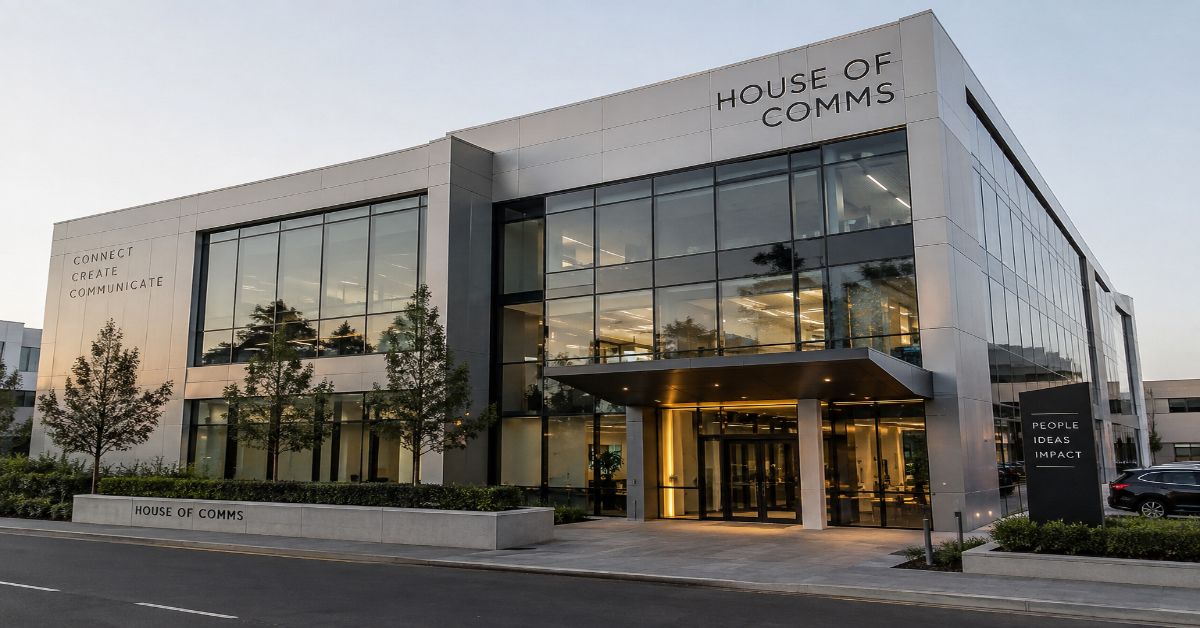
A branded search can look simple, but it usually hides a bigger decision: you are not only trying to find a website, you are trying to work out what the company actually does, where it operates, and whether it belongs on your shortlist. I approached House of Comms with that practical intent in mind and checked the agency’s current public website, service pages, portfolio, LinkedIn company profile, and third-party industry listings rather than relying on recycled directory copy. House of Comms is an independent, integrated marketing consultancy headquartered in the UAE, with services spanning brand and strategy, creative, PR, social, digital, HubSpot, and film and studio production. Its website currently lists offices in Dubai, Abu Dhabi, Riyadh, Cairo, and Islamabad, while its public company profile says the business was founded in 2012. That makes the likely search intent behind “house of comms” primarily navigational, with a strong commercial-investigation layer: most readers want the official agency, a clear view of its capabilities, evidence of regional experience, and enough detail to decide whether to make contact. This guide is built around those questions. It separates first-party claims from independently listed company details, highlights specific campaign examples, and explains what an integrated agency model means in practice. It also avoids a common problem in agency profiles: treating a long service menu as proof of depth. Instead, the useful test is whether the agency can connect strategy, creative, media, reputation, digital performance, and production around one business objective, then show how that work is measured. By the end, you should have a much clearer picture of what House of Comms offers, where its regional footprint sits, what its published work demonstrates, and what to ask before requesting a proposal.
What is House of Comms?
House of Comms is a UAE-headquartered integrated marketing consultancy that combines communications, creative, digital, social, public relations, brand strategy, CRM and marketing technology, and film production under one agency structure. Its own website describes the company as independent and regionally based, while LinkedIn lists Dubai as its headquarters, identifies the business as privately held, and gives 2012 as its founding year.
The distinction matters because “communications agency” can mean anything from a specialist PR shop to a broad marketing partner. House of Comms presents itself as the latter. The agency’s current service architecture covers Brand & Strategy, Creative, Social, PR, Digital, HubSpot, and Film & Studio. That breadth suggests the company is set up for briefs that cross channels, such as a market launch that needs positioning, media relations, social content, paid acquisition, website work, and production rather than a single isolated deliverable.
Is House of Comms a PR agency or a full-service marketing consultancy?
PR is one of its established disciplines, but describing House of Comms only as a PR agency would understate its current offer. The official PR page includes strategy and positioning, key messages, reputation and risk management, thought leadership, crisis communications, and influencer marketing. Separate service areas cover digital work such as UI/UX, web and app development, SEO, performance marketing, analytics, plus creative, social, brand strategy, HubSpot, and film.
A useful way to read that structure is by business problem rather than by department. A reputation issue can begin in PR but require social listening, executive messaging, web updates, search visibility, and rapid content production. A product launch may begin with brand positioning but move quickly into creative, paid media, creator work, landing pages, and reporting. An integrated model is valuable when those activities need a shared strategy and a single decision-making rhythm.
What services does House of Comms provide?
The agency’s service menu is broad, so the clearest way to understand it is to connect each discipline to the kind of problem a client might actually bring to an agency. The table below uses House of Comms’ published service categories and translates them into practical use cases without assuming that every project includes every capability.
| Service area | Published scope | Typical business use |
| Brand & Strategy | Brand strategy, communications, experience, identity, analytics and insights | Positioning a new brand, refreshing an existing one, or aligning communications to business goals |
| Creative | Concept development and creative execution across campaign formats | Turning strategy into a campaign platform, visual system, or content idea |
| PR | Media relations, messaging, reputation, thought leadership, crisis and influencer work | Building visibility, managing reputation, supporting launches, or preparing for issues |
| Social | Social strategy, content and community-focused execution | Running always-on channels or social-first campaigns |
| Digital | UI/UX, web and app development, SEO, paid media, analytics | Growing discoverability, traffic, leads, conversions, and digital experience quality |
| HubSpot | CRM and marketing technology support | Connecting marketing activity with lead management and customer journeys |
| Film & Studio | Brand films, commercials, corporate video and event content | Producing campaign assets or longer-form brand and corporate storytelling |
Brand and strategy set the direction
House of Comms lists brand strategy, brand communications, brand experience, brand identity, and business analytics and insights within this discipline. For a client, the important question is whether strategic work produces usable decisions: audience priorities, a proposition, a message hierarchy, channel roles, and a measurement plan. A brand document that never changes a campaign brief has limited operational value.
PR and reputation work cover planned and reactive needs
The PR offer spans both proactive visibility and defensive preparation. Its published services include thought leadership, influencer marketing, crisis communications, reputation building, and risk management. That range is relevant for organizations that need the same team to understand everyday media narratives and higher-pressure moments. House of Comms explicitly promotes crisis planning as well as response support, which is a different requirement from ordinary press-office work.
Digital, social and production extend the campaign beyond earned media
The digital practice lists SEO, performance marketing, analytics, UI/UX, and web and app development. The social and film capabilities add distribution, community engagement, and asset production. In practical terms, that can reduce handoffs when a campaign needs an idea, a landing experience, social assets, paid amplification, measurement, and optimization. It does not remove the need to check specialist depth, but it gives a client one integrated framework to interrogate.
Where does House of Comms operate?
House of Comms began in the UAE and still presents the UAE as its headquarters. Its current website lists locations in Dubai, Abu Dhabi, Riyadh, Cairo, and Islamabad. The company also says it works with sister agencies internationally when a brief extends beyond its own regional footprint.
That geography is important for brands working across Gulf and wider Middle Eastern markets because communications are rarely portable without adaptation. Media ecosystems, language requirements, platform behavior, regulatory context, cultural calendars, and consumer expectations can differ significantly from one market to another. A regional agency should therefore be tested not only on whether it has an address in a city, but on the seniority, language capability, and delivery resources actually attached to the proposed account.
| Office | Country | What the location indicates |
| Dubai | United Arab Emirates | Headquarters market and the agency’s first home |
| Abu Dhabi | United Arab Emirates | Second UAE office listed on the current website |
| Riyadh | Saudi Arabia | On-the-ground presence in the Saudi market |
| Cairo | Egypt | Regional presence in North Africa |
| Islamabad | Pakistan | Additional regional delivery presence listed by the agency |
Does House of Comms work across the GCC?
Yes, its public positioning is explicitly regional. LinkedIn describes House of Comms as serving the GCC and also references the Middle East and Africa, while the agency website highlights UAE and Saudi contact routes and a broader network of regional offices. That supports the view that the company is structured for multi-market work, although the exact staffing model for any specific country should still be confirmed in a proposal.
What kind of clients and campaigns appear in House of Comms’ portfolio?
The current House of Comms website shows work across sectors including banking and finance, healthcare, government, hospitality, oil and gas, and sustainability-related briefs. Its portfolio index includes names and projects connected with Marriott Bonvoy, SPACE42, NIO MENA, Hub71, Emarat, Starbucks, ENOC, Cleveland Clinic Abu Dhabi, Dubai Festivals and Retail Establishment, Wio Bank, Under Armour, Michelin, and others.
The value of a portfolio is not the logo wall itself. A more useful reading asks what the agency was responsible for, which channels it controlled, and whether the published outcome matches the original challenge. Two public examples show different sides of the House of Comms model.
What does the Michelin Guide Dubai case study show?
For the 2022 debut of the MICHELIN Guide Dubai, the agency’s published case study says House of Comms developed the communications approach around the announcement and star-revelation moments, worked with Michelin Guide International and Dubai Tourism, curated English and Arabic media and influencer guest lists, and managed the events. The case study reports 23 interviews with the MICHELIN Guide’s international director, more than 60 media and food-influencer attendees at the announcement, and more than 130 at the star-revelation event.
These figures are self-reported by the agency, so they should be read as case-study evidence rather than independent performance auditing. Even with that limitation, the example is useful because it shows the operating complexity of a high-profile launch: confidentiality, bilingual media relations, senior spokesperson access, event management, and regional follow-through.
Source checked: House of Comms, Michelin Guide Dubai case study
What does the Under Armour digital case study show?
An older House of Comms digital campaign page for an Under Armour fitness challenge reports a three-week campaign designed to drive awareness and registrations in the UAE. The page lists 4.5 million impressions, 285,000 video views, 27,000 clicks, and 2,100 sign-ups. It also says the campaign used English and Arabic creative across Facebook, Instagram, YouTube, and Twitter, with paid media and remarketing.
Again, those numbers come from the agency’s own case material. Their real value in due diligence is the measurement structure: awareness, viewing, traffic, and sign-up metrics appear together, which makes it easier to ask how media efficiency, conversion quality, and attribution were handled rather than stopping at reach alone.
Source checked: House of Comms digital campaign page
A product-experience example broadens the picture
House of Comms has also described its work on Marriott Bonvoy’s More Cravings app, including user-journey mapping and interface design alongside Marriott’s development team. That type of work sits closer to customer experience and product design than traditional communications. For a prospective client, it is a useful reminder to define scope carefully: “digital” may cover everything from acquisition media to UX, development, analytics, and ongoing optimization.
How can you judge whether House of Comms matches your brief?
A full-service menu can be convenient, but agency fit depends on the shape of the problem. The strongest procurement process turns broad capability claims into specific delivery questions. Instead of asking whether the agency “does digital” or “does PR,” ask who will do the work, what they will own, how disciplines will collaborate, and which metrics determine success.
The table below turns that principle into questions a marketing or communications lead can use during a chemistry meeting or request-for-proposal process.
| Brief type | Question to ask | Why it matters |
| Regional launch | Which team members are based in each priority market, and who owns localization? | Distinguishes genuine local capability from remote coverage |
| Integrated campaign | Who is the single strategic lead across PR, social, creative, digital and production? | Shows whether integration is operational or only a service list |
| Performance marketing | What conversion events, attribution model and reporting cadence will you use? | Connects media spending to measurable business outcomes |
| PR and reputation | How do you separate proactive media work from issues and crisis response? | Clarifies staffing, escalation and response readiness |
| SEO or web | Who owns technical implementation, content changes and measurement after launch? | Prevents strategy from stalling at recommendation stage |
| Creative production | What is produced in-house and what is outsourced? | Makes timelines, cost control and quality assurance easier to evaluate |
When is an integrated agency model most useful?
An integrated model is most useful when a business problem crosses several channels and the work needs one strategic center. Examples include entering a new market, launching a product, repositioning a brand, recovering from a reputation issue, or building a sustained demand-generation program. In those situations, shared audience insight and measurement can matter more than keeping each discipline in a separate agency silo.
When should you probe specialist depth?
Breadth should never substitute for specialist capability. A company with a technically complex SEO migration, regulated healthcare campaign, major CRM implementation, or high-stakes crisis brief should ask for the exact senior specialists, comparable work, governance process, and technical deliverables attached to that scope. House of Comms’ portfolio indicates experience across several of these disciplines, but the right evidence is always the team and methodology proposed for your specific brief.
What information is independently verifiable about House of Comms?
For a branded agency search, source quality matters. The company website is the best source for its current service menu, office list, contact routes, and published case studies, but those are first-party claims. Third-party profiles are useful for cross-checking basic company facts and industry positioning.
LinkedIn lists House of Comms as a privately held marketing-services company founded in 2012, headquartered in Dubai, with a company-size range of 51 to 200 employees. Campaign Middle East’s agency profile names Abby Lyons, Kaja Weller, and Jamie Wilks as founders and managing partners, lists 90+ staff, and categorizes the business as a creative and PR agency with regional offices. Abu Dhabi’s Creative Media Authority also lists House of Comms MENA as a strategic communications agency covering PR, social, digital, and creative services.
| Source | What it confirms | Source type |
| House of Comms website | Current services, office locations, contact channels, portfolio and case-study claims | First-party |
| LinkedIn company profile | Founded 2012, Dubai headquarters, privately held status, 51-200 company-size range | Third-party platform / company-managed profile |
| Campaign Middle East agency profile | Founders, 90+ staff listing, agency categories and regional-office description | Industry publication |
| Abu Dhabi Creative Media Authority | House of Comms MENA listed as a full-service strategic communications agency | Government-sector ecosystem directory |
Verification date: 16 September 2026.
Why do the headcount figures differ?
The public figures are not necessarily contradictory. LinkedIn uses broad company-size bands, while Campaign Middle East publishes a point-in-time staff figure. Both can be true at the same time. For procurement, current account staffing is more important than total agency headcount, so ask for the named team, allocation percentages, and senior oversight that will apply to your work.
What should you ask before requesting a proposal?
A useful first conversation should move quickly from credentials to operating detail. I would take the following questions into an initial call because they reveal how the agency thinks, not just what it sells:
Which two or three comparable briefs best match our business problem, market mix, and level of complexity?
Who will lead our account day to day, and which senior specialists will remain actively involved after the pitch?
Which capabilities are delivered by House of Comms employees and which are handled by external production or partner teams?
How will you define success before creative development begins, and which metrics will be reported to senior stakeholders?
How do you manage English and Arabic strategy, content, approvals, and cultural adaptation across GCC markets?
What does the first 30, 60, and 90 days of the engagement look like, including discovery, measurement setup, quick wins, and decision points?
Those questions also make proposals easier to compare. A strong response should connect people, process, deliverables, timing, and measurement rather than presenting a generic capabilities deck. For a multi-service brief, ask for one integrated scope and governance model so dependencies between PR, social, creative, digital, and production are visible from the start.
Key takeaway
House of Comms is best understood as an independent regional marketing consultancy rather than a single-discipline PR agency. Its public footprint, service architecture, and case-study mix show an organization built to combine strategy, communications, creative, digital, social, and production across the UAE and other regional markets.
The next step for a prospective client is not to decide based on the breadth of that menu alone. Use the agency’s published work as a starting point, then test the proposed team, local market depth, measurement approach, and ownership model against the exact business problem you need solved. That is the difference between buying a list of services and buying an integrated operating partner.
Frequently Asked Questions About House of Comms
What is House of Comms known for?
House of Comms is known for integrated marketing communications across PR, brand strategy, creative, social, digital, marketing technology, and film production. Its public portfolio includes regional and international brands as well as government, healthcare, hospitality, finance, energy, and technology-related work.
Where is House of Comms based?
The company is headquartered in the United Arab Emirates. Its current website lists offices in Dubai, Abu Dhabi, Riyadh, Cairo, and Islamabad.
Is House of Comms an independent agency?
Yes. House of Comms describes itself as an independent integrated marketing consultancy, and its LinkedIn company profile lists the business as privately held.
Does House of Comms offer SEO and performance marketing?
Yes. Its digital service page lists SEO, performance marketing, data and analytics, UI/UX design, and web and app development among its capabilities.
Does House of Comms handle crisis communications?
Yes. Crisis communications appears within its PR services, alongside reputation building, risk management, key messaging, thought leadership, media relations, and influencer marketing.
How can I contact House of Comms?
The agency’s official contact page provides forms for service enquiries, careers, and general enquiries. It also lists a UAE number, +971 (0)4 275 4900, and a Saudi Arabia number, +966 (0)50 861 5319.

A company name can remain visible online long after the business behind it has changed, and Emirates Trading Agency is a strong example. If I were researching the name for a job, supplier check, project reference, legal matter, or company profile, I would not rely on a single directory listing. The useful answer is more specific: Emirates Trading Agency, commonly linked with ETA, ETA-ASCON and the ETA Group, was a Dubai-based diversified business organization with roots in 1973 and activities spanning construction, electromechanical engineering, power, trading, property, facilities management and other sectors.
The search becomes more complicated because historic corporate profiles and present-day legal records describe different stages of the same story. ETA’s own legacy material associates the group with major UAE projects including Dubai International Airport, Dubai Metro, Emirates Towers, Burj Khalifa, Burj Al Arab and Emirates Palace. Independent reporting also confirms a concrete role on Burj Khalifa, where Emirates Trading Agency joined Voltas and Hitachi Plant Engineering in the mechanical, electrical and plumbing package.
At the same time, readers looking for the company’s current position need a status check rather than a recycled corporate biography. A Madras High Court order dated 20 December 2023 identifies Emirates Trading Agency LLC through a trustee in bankruptcy and records that the company was under liquidation. That legal record is important because old websites, social profiles and business directories can continue to appear even when the legal or operational position has changed. This guide separates verified history, project evidence, business scope and legal status so you can understand what the Emirates Trading Agency name means and what still needs current verification.
What is Emirates Trading Agency?
Emirates Trading Agency LLC, usually shortened to ETA, was the corporate name adopted by a Dubai business group whose origins date to 1973. Current material from ETA Engineering in India states that the ETA ASCON – STAR GROUP began as a partnership between Al Ghurair Group and Amana Investments Limited, then changed its legal structure in 1991 and was renamed Emirates Trading Agency LLC.
In practical terms, Emirates Trading Agency became the name attached to a diversified group rather than a narrow import-export shop. Its historical business footprint included civil construction, electromechanical contracting, power projects, elevators and escalators, bulk commodities, automobiles, property, facilities management, shipping and related services.
Direct answer: Emirates Trading Agency was a major Dubai-based diversified group associated with ETA-ASCON and founded from a 1973 partnership. Its legacy includes engineering and infrastructure work across the UAE, but a 2023 court order records Emirates Trading Agency LLC as under liquidation and represented through a trustee in bankruptcy, so legacy profiles should not be treated as proof of current operating status.
Why does Emirates Trading Agency appear under several names?
People searching this company often encounter ETA, ETA-ASCON, ETA Star, ETA Group of Companies and Emirates Trading Agency LLC. These labels overlap historically, but they are not automatically interchangeable legal entities. That distinction matters when checking a contract, employment record, vendor registration or court case.
This naming table shows how the most common ETA labels should be interpreted.
| Name or label | What it usually refers to | How to use it accurately |
| Emirates Trading Agency LLC | The Dubai legal company name found in contracts and court records | Use for entity-specific legal or due-diligence research |
| ETA | Common abbreviation for Emirates Trading Agency and related group businesses | Use as a shorthand only after identifying the entity |
| ETA-ASCON / ETA ASCON – STAR | Historic group branding linked to contracting and diversified businesses | Useful for group history and legacy project context |
| ETA Group of Companies | Umbrella branding used in corporate and social profiles | Do not assume every listed activity belongs to one legal company |
The safest research method is to match the exact legal name on the document in front of you. A project brochure may use the group brand, while a court judgment, commercial license or contract will usually identify a specific company. Treat the brand as context and the legal entity as the decisive reference.
How did Emirates Trading Agency develop from 1973 onward?
ETA Engineering’s corporate history provides one of the clearest timelines. It says the group was formed in 1973 as a partnership between Al Ghurair Group and Amana Investments Limited. In 1991, the legal structure changed to a corporate entity and the business was renamed Emirates Trading Agency LLC.
Contemporary business reporting supports the 1973 origin. Gulf News reported that Syed M. Salahuddin set up Emirates Trading Agency as a joint venture with Al Ghurair Group in Dubai with US$2 million in capital. Over the following decades, the group expanded beyond contracting into shipping, trading, retail, real estate, engineering and other activities.
This history explains why a search for Emirates Trading Agency produces records in very different industries. The group model was built around multiple divisions and related companies. A person who encountered ETA through elevators could be referring to a different operating arm from someone who dealt with bulk commodities, MEP contracting or property development.
What businesses did Emirates Trading Agency operate?
Historic ETA Group profiles describe a portfolio broad enough to function as a multi-sector conglomerate. The most useful way to read that portfolio is by capability, not by assuming every activity sat inside the same legal company.
The table below separates the group’s main historical capabilities from the due-diligence questions a reader should ask today.
| Business area | Historic capability associated with ETA | Research note |
| Civil construction | Buildings and infrastructure contracting | Confirm whether ETA acted as main contractor, JV partner or subcontractor |
| Electromechanical engineering | HVAC, electrical, plumbing, fire and building systems | A major part of ETA’s technical identity on complex projects |
| Power and industrial projects | Power-related engineering, EPC and system integration | Often linked with specialist engineering divisions |
| Elevators and escalators | Vertical transportation through group ventures | Check the specific operating company or brand |
| Trading | Bulk commodities, paper, oil and other commercial activities | Trading disputes also appear in international case law |
| Property and facilities | Development, hospitality, maintenance and facility services | Group-level descriptions may cover separate entities |
| Automotive and other ventures | Vehicle trading and diversified consumer businesses | Best treated as historical group activities unless currently verified |
Construction and civil engineering
Construction was one of the public faces of the group. Legacy profiles connect ETA-ASCON with large building and infrastructure projects across the UAE and India. The construction identity also explains the close relationship between ETA branding and specialist engineering businesses used on complex projects.
Electromechanical, power and building systems
Electromechanical work is especially important when evaluating ETA’s project record. Mechanical, electrical and plumbing packages involve systems that make a building operational: HVAC, electrical distribution, plumbing, fire protection, controls and related infrastructure. On supertall or transport projects, this specialist role can be as technically demanding as the visible civil structure.
Trading, property, facilities and other activities
Historical group descriptions also list bulk commodities, paper and oil trading, automobile trading, real estate development, hospitality and facilities management. This diversification reduced the usefulness of a single label such as ‘trading company.’ For due diligence, the exact division and legal counterparty matter more than the umbrella brand.
Which major projects is Emirates Trading Agency associated with?
ETA’s legacy corporate profile names a long list of landmarks, but project association should be interpreted carefully. ‘Involved in’ can mean main contractor, joint-venture partner, MEP contractor, specialist systems provider or another project role. Burj Khalifa provides a good example because independent sources identify the specific package.
This project table distinguishes independently supported roles from broader legacy corporate claims.
| Project / reference | What can be stated with confidence | Evidence quality |
| Burj Khalifa, Dubai | ETA joined Voltas and Hitachi Plant Engineering in the MEP subcontract joint venture | Strong independent reporting and supplier project records |
| Dubai International Airport | Listed in ETA’s legacy corporate profile as a major project involvement | Corporate claim; verify package for precise role |
| Dubai Metro | Listed in ETA’s legacy corporate profile | Corporate claim; role should be confirmed from project records |
| Burj Al Arab | Listed in ETA’s legacy corporate profile | Corporate claim; avoid describing ETA as sole/main contractor without role evidence |
| Emirates Palace, Abu Dhabi | Listed in ETA’s legacy corporate profile | Corporate claim with wider industry references to specialist project work |
| Delhi Metro | Listed in ETA’s legacy corporate profile | Corporate claim; identify the relevant group entity for formal use |
The Burj Khalifa evidence is unusually specific. Business Standard reported in July 2007 that the approximately Rs 1,000 crore MEP subcontract was being executed by Voltas in a joint venture with Emirates Trading Agency of Dubai and Hitachi Plant Engineering & Construction Company of Singapore. The scope covered mechanical systems, electrical systems, specialist ELV systems, plumbing and fire protection. ASC Engineered Solutions also describes ETA / Voltas / Hitachi as the mechanical contractor joint venture for the project.
That level of detail is more useful than simply saying ETA ‘worked on Burj Khalifa.’ It identifies the partnership and the package. The same standard should be applied to other landmark claims: confirm the role from project records, contractor announcements or supplier references before presenting ETA as the primary builder.
What is the current status of Emirates Trading Agency in 2026?
The most important status evidence is legal rather than promotional. In Sociedade De Fomento Industrial Pvt. Ltd. v. Emirates Trading Agency LLC, a Madras High Court order dated 20 December 2023 identifies the respondent as acting through its trustee in bankruptcy, Redha Darwish Al Rahma. The order records the position that the company was under liquidation.
Earlier DIFC Court records also show significant enforcement proceedings. In January 2016, the DIFC Court of First Instance made a freezing order against Emirates Trading Agency LLC up to US$118,801,381.90 in proceedings brought by Bocimar International N.V. A later bankruptcy-related memorandum filed in Dubai proceedings identifies Emirates Trading Agency LLC as a company declared bankrupt.
These records change how a 2026 reader should interpret old company pages. They do not erase ETA’s historical work, and they do not mean every related ETA-branded business has the same status. They do mean that a directory page showing an old phone number, office, employee list or service description is not sufficient evidence that Emirates Trading Agency LLC continues to trade today in the same form.
How should you verify Emirates Trading Agency before doing business?
For a supplier, customer, employee or creditor, identity verification should come before commercial assumptions. A practical check is to compare the exact company name and license details on your document with current UAE registry information, confirm who is authorized to represent the entity, review recent court or insolvency records where relevant, and verify bank and contact details through independently sourced channels. If the matter involves a historic ETA contract, a claim or a payment, legal advice in the relevant jurisdiction may be necessary because group branding does not establish which entity is liable.
Match the full legal name, including ‘LLC’ or another suffix, to the contract or invoice.
Check the current commercial license or official registry record rather than a general business directory.
Confirm whether the person contacting you is authorized by the company, liquidator or trustee, as applicable.
Verify bank details independently before sending funds, especially when dealing with an old account relationship.
For project references, identify ETA’s precise role instead of assuming it was the main contractor.
For legal or debt matters, use the court case number and named legal entity to avoid confusing affiliates.
Why is Emirates Trading Agency important in arbitration law?
The company name also appears in a widely cited English Commercial Court decision: Emirates Trading Agency LLC v Prime Mineral Exports Private Ltd [2014] EWHC 2104 (Comm). The dispute arose from a long-term contract for iron ore and a clause requiring the parties to seek resolution through friendly discussion before arbitration.
Mr Justice Teare held that the time-limited obligation to engage in friendly discussions was enforceable as a condition precedent, and also found that the requirement had been satisfied on the facts. The case is significant because it is frequently discussed in arbitration practice when lawyers draft multi-tier dispute resolution clauses that require negotiation before arbitration.
For a company researcher, this legal footprint is a reminder that searches for Emirates Trading Agency may surface case law as often as construction history. The search result is not about a separate business with a similar name. It concerns Emirates Trading Agency LLC and commercial disputes arising from its trading activities.
How should researchers distinguish ETA from related companies?
A common research mistake is to transfer the status of one ETA-related company to every business carrying the ETA name. For example, ETA Engineering Pvt. Ltd. in India maintains a current corporate website and describes itself as incorporated in India in 1994 and part of the ETA ASCON – STAR GROUP. That does not establish that the Dubai LLC has the same present legal status, management or obligations.
The same caution applies to legacy brands connected with elevators, facilities management, automobiles or property. Corporate groups can contain subsidiaries, joint ventures and affiliates with separate registrations and liabilities. If the purpose is historical writing, the umbrella description is useful. If the purpose is payment, contracting, litigation, employment verification or compliance, use entity-level records.
Research and Verification Notes
These sources were used to keep historical, project and legal-status claims separate. They are listed for editorial verification and fact-checking.
ETA Engineering, ‘ETA Engineering’ corporate history page, eta-engg.com. States the 1973 partnership, 1991 restructuring and group activities.
Emirates Trading Agency / ETA Group of Companies, LinkedIn corporate profiles. Used only for legacy self-described business scope and project associations, not legal status.
Business Standard, ‘Voltas shares in MEP sub-contract for Burj Tower,’ 25 July 2007. Confirms the ETA-Voltas-Hitachi Plant joint venture and MEP scope.
ASC Engineered Solutions, ‘ASC Products Help Construct the World’s Tallest Building.’ Identifies ETA / Voltas / Hitachi as the mechanical contractor joint venture for Burj Khalifa.
BAILII, Emirates Trading Agency LLC v Prime Mineral Exports Private Ltd [2014] EWHC 2104 (Comm), 1 July 2014.
DIFC Courts, Bocimar International N.V. v Emirates Trading Agency LLC, CFI 008/2015, freezing order dated 28 January 2016.
Madras High Court record reproduced by CaseMine / Indian Kanoon, Sociedade De Fomento Industrial Pvt. Ltd. v Emirates Trading Agency LLC, order dated 20 December 2023. Records the respondent through a trustee in bankruptcy and refers to liquidation.
What can be learned from the Emirates Trading Agency story?
Emirates Trading Agency is best understood as both an engineering-era business name and a due-diligence case study. Its history shows how a diversified Gulf group could participate in construction, building systems, trade and services during the UAE’s rapid development. Its later court record shows why current legal status must be checked independently from the reputation built during earlier decades.
The most useful takeaway is simple: preserve the historical achievements, but verify the present entity. When a company has operated through many divisions and names, accurate research depends on separating brand history, project role and legal identity.
Frequently Asked Questions
Is Emirates Trading Agency the same as ETA Group?
Emirates Trading Agency LLC was a central corporate name associated with the wider ETA / ETA-ASCON group. In historical material the names are often used closely together, but a group brand is not automatically the same legal entity as every subsidiary or affiliate.
When was Emirates Trading Agency founded?
The group’s origins date to 1973, when ETA ASCON – STAR was formed as a partnership between Al Ghurair Group and Amana Investments Limited. ETA Engineering states that the legal structure changed in 1991 and the entity was renamed Emirates Trading Agency LLC.
Did Emirates Trading Agency work on Burj Khalifa?
Yes. Independent reporting identifies Emirates Trading Agency as part of a joint venture with Voltas and Hitachi Plant Engineering for Burj Khalifa’s MEP subcontract. The package covered major mechanical, electrical, plumbing and specialist building systems.
Is Emirates Trading Agency still active?
A 20 December 2023 Madras High Court order records Emirates Trading Agency LLC as under liquidation and represented by a trustee in bankruptcy. Because a liquidation can progress over time, anyone needing a current 2026 legal answer should verify the latest UAE registry and insolvency records rather than relying on old company directories.
Why do old Emirates Trading Agency phone numbers and offices still appear online?
Business directories and social profiles can remain indexed after a company’s legal or operational circumstances change. An old address or phone listing is historical evidence, not proof that the same entity is currently trading from that location.
What should I check before using Emirates Trading Agency as a project reference?
Confirm the project, date, contracting entity and exact scope of work. For Burj Khalifa, for example, the strongest description is that ETA participated in the MEP joint venture with Voltas and Hitachi Plant Engineering, rather than calling ETA the main civil contractor.

A buried utility that appears a few feet away from its recorded position can turn a clean design into a costly field problem. That is the practical lens I use when looking at Lexis Group: not simply as a company name, but as a firm that sits at the intersection of underground utility risk, surveying, civil design, and construction support. If you searched for lexis group to find out what the company does, whether it is credible, and where it may fit into an infrastructure or land-development project, this guide answers those questions directly.
This article refers specifically to The Lexis Group, LLC, the Harrisburg, Pennsylvania civil engineering firm founded in 2009. The name is not unique online, so making the entity clear matters. The firm describes itself as a woman-owned and disadvantaged business enterprise offering subsurface utility engineering, civil engineering, site design, land planning, survey and mapping, landscape architecture, and construction inspection or management services. Its public profile also places special emphasis on subsurface utility engineering, commonly shortened to SUE.
I reviewed the firm’s current service pages alongside independent and public-sector sources, including Federal Highway Administration research on SUE, the current ASCE utility-investigation standard, Pennsylvania Chamber award records, Penn State procurement information, and recent PennDOT traffic notices that identify Lexis crews in field work. That cross-check is important because a useful company profile should separate marketing language from evidence a project owner can verify. The result is a practical view of what Lexis Group offers, what appears to differentiate it, and which questions a client should ask before putting the firm on a team.
Direct answer: The Lexis Group, LLC is a Harrisburg-based civil engineering and infrastructure-services firm with a strong focus on subsurface utility engineering, surveying, site and civil design, and construction-phase support. Its best fit is likely projects where accurate utility information, multidisciplinary coordination, and field-to-design continuity can reduce uncertainty before and during construction.
What Is Lexis Group and What Does It Do?
The Lexis Group, LLC operates in the architecture, engineering, and construction ecosystem, with headquarters listed in Harrisburg, Pennsylvania. The firm’s own site identifies federal and state DBE/WBE certifications and lists service categories spanning civil engineering, SUE, survey and mapping, site design, land planning, landscape architecture, and construction inspection or construction management. (Source: The Lexis Group company website.)
The business was founded in 2009 by Alexis Isenberg, according to the Pennsylvania Chamber of Business and Industry. The Chamber named The Lexis Group one of two inaugural 2025 Pennsylvania Small Business of the Year winners, citing leadership, culture, innovation, growth, and community engagement. LinkedIn currently classifies the company in the 51 to 200 employee size bracket, which suggests a firm large enough to staff multiple technical disciplines while remaining materially smaller than national engineering conglomerates. (Source: PA Chamber.)
For a project owner, the important point is not the company label. It is the way these disciplines connect. SUE establishes better information about underground conditions. Survey turns field findings into dependable spatial data. Civil and site design use that information to develop plans. Construction inspection and management help carry design intent into the field. When one team can contribute across several of those handoffs, the potential value lies in reducing information loss between phases.
Which Lexis Group Services Matter Most to Project Owners?
Lexis Group’s service mix is broad, but four capability clusters stand out for buyers comparing engineering partners. The table below connects each service to the project problem it is intended to solve.
| Service area | What the work includes | Where it can add value |
| Subsurface Utility Engineering (SUE) | Records research, utility designating, geophysical locating, vacuum excavation, utility mapping, and 3D deliverables. | Reduces uncertainty around buried utilities before design decisions and excavation. |
| Survey and Mapping | Boundary and topographic surveys, utility surveys, ALTA/NSPS work, construction stakeout, as-built plans, control surveys, and subdivisions. | Creates reliable location and elevation data for design, property, and construction decisions. |
| Civil Engineering and Site Design | Transportation design, stormwater, erosion and sediment control, permitting, structural work, site planning, and related design tasks. | Turns site constraints and owner requirements into coordinated, permit-ready design documents. |
| Construction Phase Services | Inspection, constructability review, document management, change-order support, quality management, testing monitoring, and close-out. | Adds field oversight and helps identify design or construction issues before they become larger claims or delays. |
Why Subsurface Utility Engineering Is a Core Lexis Group Capability
SUE is the clearest differentiator in the firm’s public positioning. Lexis says it uses technologies such as ground penetrating radar, multichannel GPR, LiDAR, CCTV, magnetometers, elastic-wave devices, pipe and cable locators, and vacuum excavation. The objective is not simply to mark paint on the ground. It is to investigate, classify, document, and communicate the quality of utility information so designers and owners can make decisions with a known level of confidence. (Source: Lexis SUE services.)
That approach aligns with the industry’s current ASCE/UESI/CI 38-22 standard, which provides a standardized framework for investigating and documenting existing utilities and assigning utility quality levels. ASCE notes that the standard combines minimum required actions with professional judgment about timing, sequence, location, and scope. For a client, that means the SUE scope should be defined around decision risk, not treated as a generic locating task. (Source: ASCE 38-22 overview.)
How Survey and Mapping Support Better Design Decisions
Lexis states that it maintains in-house survey capability with two survey crews led by a licensed Professional Land Surveyor. Its listed services include boundary and topographic surveys, ALTA/NSPS land title surveys, subdivisions, lot consolidation, construction stakeout, as-built plans, control surveys, and utility-related mapping. This matters on SUE-heavy projects because utility observations become more useful when they are tied to the same project control and coordinate framework used by the design team. (Source: Lexis Survey and Mapping.)
Where Civil Engineering and Construction Support Fit In
The civil side of the practice covers transportation, commercial and industrial sites, medical and research campuses, stormwater management, erosion and sediment control, structural engineering, accessibility, and permitting. The construction-services side includes inspections, constructability review, document control, change-order management, quality management, testing and start-up monitoring, and close-out. Those services can be procured independently, but their strongest strategic value may be on projects where underground constraints affect design details and construction sequencing. (Source: Lexis Civil Engineering.)
How Can Lexis Group SUE Work Reduce Project Risk?
Utility risk is expensive because it often becomes visible at the worst possible moment: after drawings are advanced, crews are mobilized, or excavation has started. SUE moves that discovery earlier. The business case for doing so is supported by longstanding public research, although project-specific savings will vary and should never be treated as guaranteed.
The Federal Highway Administration reports that a Purdue University study of 71 highway projects with more than $1 billion in combined construction value quantified $4.62 in savings for every $1 spent on SUE. The study found that Quality Level B and A information cost less than 0.5 percent of total construction cost and was associated with a 1.9 percent construction savings compared with lower-quality utility information. FHWA also notes that only three of the 71 projects produced a negative return in that study. (Source: Federal Highway Administration.)
That research is old enough that it should be used as evidence of the underlying risk-management principle, not as a modern pricing promise. The current decision is still project-specific: What level of utility certainty is needed, where is it needed, and when will that information influence design or construction?
The following table shows how the main investigation methods Lexis publicly lists can support different decisions.
| Method or data source | What it helps establish | Best use in a project workflow |
| Records research | Known or recorded utility ownership, alignment, and historical information. | Early scoping and identifying gaps that need field verification. |
| GPR and other geophysics | Potential utility or subsurface features without destructive excavation. | Designating utilities across corridors or sites and finding non-metallic targets. |
| Pipe and cable locating | Traceable conductive utilities and related surface markings. | Fast field designation when utilities can be energized or traced. |
| Vacuum excavation | Direct exposure of a utility at a specific point, including depth, size, and material. | High-risk conflicts where precise horizontal and vertical information affects design. |
| Survey and 3D deliverables | Coordinates, elevations, and mapped results tied to project control. | Integrating field findings into CAD, GIS, profiles, conflict analysis, and construction documents. |
What Evidence Shows Lexis Group Is Active and Credible?
A credible engineering-company profile should rely on more than a firm’s own website. Several independent records provide useful signals about Lexis Group’s current activity and market presence.
The Pennsylvania Chamber of Business and Industry selected The Lexis Group as a 2025 Small Business of the Year winner, one of two companies receiving the inaugural top award.
Penn State procurement lists The Lexis Group as a woman-owned small business under a contract running from July 1, 2023 through June 30, 2027 for utility locating and SUE support at Commonwealth campuses other than University Park.
A PennDOT public traffic notice dated September 3, 2026 stated that Lexis crews would conduct excavation work on Route 88 in Bethel Park. A separate November 2025 notice identified Lexis crews performing utility test-hole excavation on Verona Road in Penn Hills.
Purdue Road School’s 2026 program included Rhett Sloan of The Lexis Group in a session on using SUE data from design through construction, indicating participation in current industry knowledge-sharing.
LinkedIn identifies The Lexis Group as a privately held civil engineering company founded in 2009 with headquarters in Harrisburg and a 51 to 200 employee size classification.
None of these items proves that the firm is the right choice for every project. Together, however, they show recent operational activity, institutional procurement relationships, professional visibility, and external recognition.
Verification sources: PA Chamber; Penn State Procurement; PennDOT Route 88 notice; Purdue Road School; LinkedIn.
Who Is Lexis Group Best Suited For?
Based on the firm’s disclosed capabilities and public-sector activity, Lexis Group appears most relevant to owners and prime consultants that need utility, survey, civil, and construction support in the same project environment. That includes transportation agencies and their consultants, municipalities, higher-education campuses, hospitals, land-development teams, and infrastructure owners with congested underground conditions.
The firm may be especially useful in four situations:
A roadway or site project has uncertain utility records and significant conflict risk.
A prime engineering consultant needs a certified WBE/DBE partner that can perform technically substantive work rather than a narrow participation role.
A project would benefit from keeping utility investigation, survey control, and mapped deliverables closely coordinated.
Construction planning needs better utility information to reduce surprises, redesign, test-hole delays, or damage exposure.
Private owners can use the same logic. On a campus expansion, industrial site, or redevelopment parcel, buried infrastructure may have been installed in phases by multiple owners over decades. In that setting, record drawings can be incomplete or inconsistent. A well-scoped utility investigation is valuable because it changes design decisions before excavation, not because it produces a colorful utility map after the design is already fixed.
What Should You Ask Before Hiring Lexis Group?
The most important procurement questions are about scope, standards, deliverables, and responsibility. A strong proposal should make those items easy to understand before field work starts.
| Question to ask | Why it matters | What a strong answer should clarify |
| Which ASCE 38-22 quality levels are included? | Different decisions require different levels of utility certainty. | Where each quality level applies and what tasks will be performed to support it. |
| What deliverables will the design team receive? | Field markings alone may not be enough for design coordination. | CAD or GIS format, survey control, profiles, test-hole data, reports, metadata, and 3D outputs where needed. |
| Who seals or takes professional responsibility for the work? | Licensure requirements vary by service and jurisdiction. | The responsible licensed professional and the states in which the work is authorized. |
| How will conflicts and unknowns be communicated? | Uncertainty is normal in utility investigation and needs disciplined documentation. | A process for discrepancies, unresolved utilities, changed conditions, and owner decisions. |
| What is the schedule from records research to final mapping? | SUE delivers the most value before design decisions become expensive to change. | Field sequencing, access needs, utility-owner coordination, survey timing, and turnaround. |
| Which certifications apply to this contract? | DBE, WBE, and small-business participation rules are owner- and jurisdiction-specific. | Current certification status for the exact agency, state, or procurement program. |
What Are the Main Strengths and Limitations to Consider?
Lexis Group’s strongest visible advantage is specialization around utility risk combined with adjacent engineering disciplines. The company owns or deploys a wide range of locating technologies, maintains surveying capability, and offers design and construction-phase services. That can simplify coordination where utility information must move quickly from the field into engineering decisions.
Its certified woman-owned and disadvantaged-business status can also matter on public work when participation goals are part of procurement. The key is to treat certification as an additional procurement benefit, not the technical reason to select a firm. Technical scope, staff availability, responsible licensure, equipment, deliverables, safety procedures, schedule, and relevant project experience should still drive the decision.
There are also practical limits to what can be learned from public information. The company does not publish standardized pricing, which is normal for professional services because SUE and engineering fees depend on acreage, corridor length, utility density, quality level, travel, access, traffic control, survey requirements, and deliverables. Public pages also cannot confirm whether a particular licensed professional is available for a future project. Clients should verify current licenses, insurance, certifications, safety requirements, and jurisdictional authorization during procurement.
Finally, SUE does not make underground risk disappear. Even high-quality investigations can encounter inaccessible areas, abandoned facilities, undocumented private utilities, congested corridors, or materials that are difficult to detect. A trustworthy scope should say what was investigated, what was not, what quality level was achieved, and where uncertainty remains.
Conclusion
Lexis Group is best understood as a civil engineering and infrastructure-services firm with SUE at the center of its market identity. Its service mix becomes most compelling when underground utility uncertainty affects survey, design, permitting, or construction decisions and the project team wants those disciplines to connect rather than operate as isolated tasks.
For a prospective client, the next step is not to ask whether the firm can ‘locate utilities.’ Ask what decisions the utility data must support, which ASCE quality levels are needed, how results will be surveyed and delivered, and who will carry professional responsibility. That conversation reveals much more about project fit than a general capabilities list. The public evidence reviewed here shows an active firm with current institutional relationships, field activity, and external recognition, but a project-specific proposal remains the right place to test scope, staffing, schedule, and value.
Frequently Asked Questions About Lexis Group
Is Lexis Group the Same Company as LexisNexis?
No. This article refers to The Lexis Group, LLC, a Harrisburg, Pennsylvania civil engineering and infrastructure-services firm. LexisNexis is a separate legal and information-services company.
Where Is The Lexis Group, LLC Based?
The firm’s public profiles list Harrisburg, Pennsylvania as its headquarters. Its website and project activity indicate work across the Mid-Atlantic region, with public examples in Pennsylvania and service capabilities that extend beyond a single city.
Does Lexis Group Offer Subsurface Utility Engineering?
Yes. SUE is one of the firm’s most prominent service lines. Lexis lists records research, geophysical utility designating, GPR and other detection technologies, vacuum excavation, survey integration, asset-risk support, and 3D deliverables among its capabilities.
Is Lexis Group a Woman-Owned or DBE Firm?
The company identifies itself as a certified woman-owned and disadvantaged business enterprise, and Penn State procurement lists it as a woman-owned small business. Because certification programs differ by agency and state, clients should verify the exact certification needed for a specific solicitation.
Does Lexis Group Publish Pricing for SUE or Survey Work?
No standardized public price list was found in the sources reviewed. Professional-service pricing is normally scope-specific and can change with project size, utility density, required quality levels, traffic control, excavation needs, survey control, travel, and deliverable format.
What Should I Send Lexis Group When Requesting a Proposal?
Provide the project location, current base mapping, approximate limits, design stage, known utilities, required survey control, target ASCE quality levels if known, desired deliverables, schedule milestones, traffic-control constraints, and any owner-specific certification or insurance requirements. Better inputs make it easier to compare scope, schedule, and fee on an equal basis.
-
 Guide3 weeks ago
Voozon.com Guide: What It Is and How It Works
-

 General4 weeks ago
OnlyFans Leaks: How They Happen and How to Reduce the Risk
-

 Technology4 weeks ago
Listcrawler: How List Crawlers Extract Structured Web Data
-

 Guide4 weeks ago
How to Run a Marathon: A Practical First-Marathon Guide
-

 General3 weeks ago
SABS Framework Description Paragraph: Practical Guide
-

 General4 weeks ago
Spanking Stories: A Reader’s Guide to Themes, Tags and Safer Choices
-

 Technology4 weeks ago
Coomer.su Explained: Architecture, Data Flow, API Changes and Resilient Client Design
-

 General2 weeks ago
Starling: ID, Diet, Habitat and Murmurations