
Food & Drinks
Toast: How to Make It Crisp, Golden and Flavorful

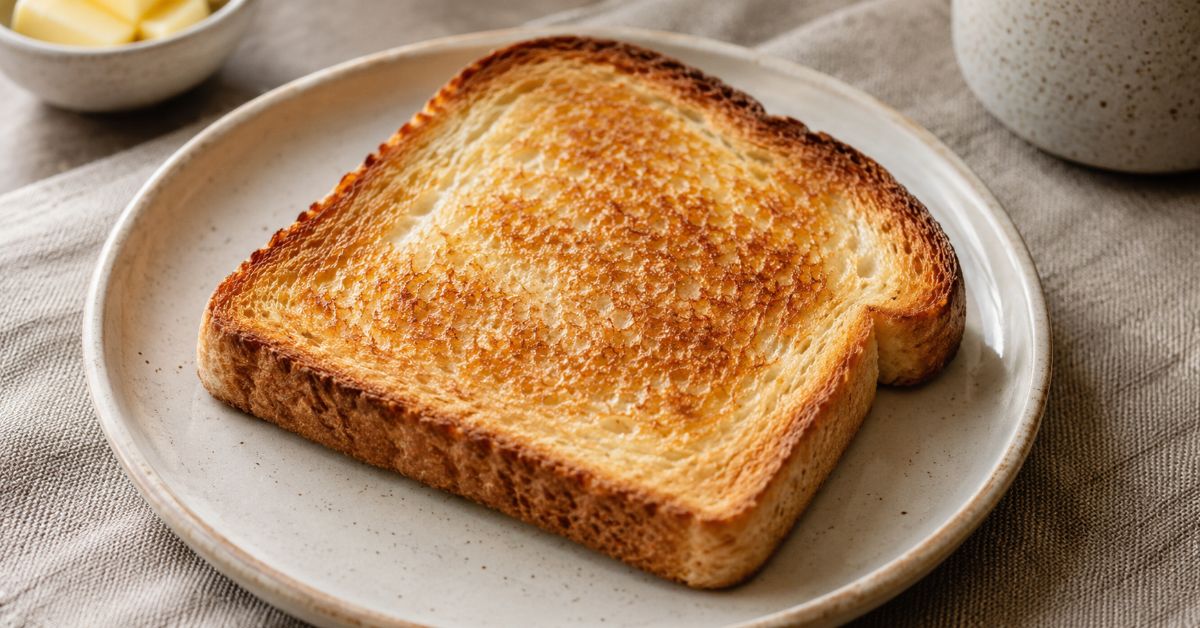
Toast looks simple until you pay attention to the difference between a slice that is crisp, fragrant, and golden and one that is merely hot bread with dry edges. I think of toast as one of the smallest cooking techniques that rewards precision: the bread, thickness, heat source, timing, and even what happens in the first minute after cooking all change the result. If you searched for toast because you want to understand what it is, how to make it better, or why one slice turns out beautifully while another burns, this guide covers the practical answers in one place.
At its core, toast is sliced bread heated until its surface loses moisture, firms up, and develops browned flavors. The color and aroma come largely from the Maillard reaction, a set of reactions between amino acids and reducing sugars that produces many new flavor and aroma compounds as food browns. A good slice balances that browned, dry exterior with enough moisture inside to keep the crumb pleasant rather than brittle.
That balance matters more than any single toaster number. A thin slice of white sandwich bread, a thick piece of sourdough, and an enriched brioche slice do not brown at the same rate. Frozen bread behaves differently from room-temperature bread, and wet toppings can undo a crisp surface in seconds. The most reliable approach is to choose the bread for the texture you want, use a heat method that fits its thickness, judge doneness by color and feel, and serve it before trapped steam softens the surface.
In short: good toast is bread browned until crisp on the outside while still pleasant inside. Aim for an even golden color, avoid burning, and adjust time to the bread rather than treating the toaster dial as a universal recipe.
What Is Toast, Exactly?
Toast is bread that has been heated until its exposed surfaces become browned, drier, and crisper. Dictionaries typically define it as sliced bread made brown and crisp by high heat, but the useful cooking definition goes one step further: toast is a controlled contrast between a dry, browned exterior and a still-edible interior.
That distinction explains why darker is not automatically better. The goal is not to remove as much moisture as possible. If the slice is dried all the way through, it becomes hard and brittle. If it is only warmed, it lacks the crisp texture and roasted aroma people expect from toast.
What Actually Happens When Bread Becomes Toast?
Toasting changes bread through heat, moisture loss, and browning reactions. Understanding those three processes makes it much easier to diagnose a disappointing slice.
The American Chemical Society and the Exploratorium both describe the Maillard reaction as a reaction involving amino acids and sugars that creates browned color plus a large range of new flavors and aromas. That is why toasted bread smells and tastes more complex than the same bread served untoasted.
Why does toast brown and smell different?
The Maillard reaction is the main reason toast develops roasted, nutty, and savory notes. As the surface gets hot and dries, browning accelerates and new flavor compounds form. Bread already contains proteins and carbohydrates, so it has the building blocks needed for this reaction.
Caramelization is related to browning but is not the same process. Caramelization is the thermal breakdown of sugars. In everyday toast, especially plain bread, Maillard browning is the more useful explanation for the familiar toasted flavor. Sweet breads can also show stronger sugar-driven browning because of their added sugars.
Why does crispness depend on moisture?
Bread starts with water distributed through its crumb. During toasting, heat drives moisture away from the surface. A drier surface becomes firmer and crisper, while the center can remain softer if the slice is thick enough and the heating time is controlled.
This is why freshly toasted bread can soften if it is stacked immediately. Steam escaping from one hot slice meets another surface, condenses, and restores moisture to the crust. For crisp toast, give slices a little breathing room on a rack or plate rather than trapping them in a pile.
How Do You Make Good Toast Every Time?
A dependable method is more useful than a single setting because toaster numbers are not standardized across brands. Bread type, starting temperature, slice thickness, moisture content, and appliance power all affect the result.
Use this sequence as a practical baseline:
1. Start with bread suited to the result
For a crisp, light breakfast slice, standard sandwich bread is predictable. For a chewy center with a stronger crust, choose sourdough or another artisan loaf. For a rich, delicate result, use brioche or challah but watch the color closely.
Slightly stale bread is not a problem. In fact, toasting is one of the easiest ways to make day-old bread pleasant again because heating restores aroma and improves surface texture.
2. Match slice thickness to the heating method
Thin slices are ideal for a slot toaster because they brown quickly before drying out completely. Thick slices are easier to control in a toaster oven, oven, or skillet, where you can watch the surface and flip or move them if needed.
As a practical guide, standard pre-sliced bread works well in a slot toaster. Hand-cut artisan slices around 1.5 to 2 centimeters thick are often better with a method that allows visual checking.
3. Toast by color, not by the dial number
Treat the dial as a repeatability tool for your own appliance, not as a universal scale. Start in the middle, observe the result, then move one step lighter or darker on the next slice.
A useful target for everyday toast is an even golden to medium-brown surface with no blackened patches. The U.K. Food Standards Agency advises cooking bread to a golden color or lighter and avoiding over-toasting or burning as a way to keep acrylamide formation lower.
4. Let the surface vent before loading it with toppings
If maximum crispness matters, let the toast sit for roughly 20 to 30 seconds in open air before adding a wet topping. This short pause allows some steam to escape. Do not leave it long enough to become cold unless you specifically want firm, dry toast.
For butter, timing is a preference call. Apply it immediately for deep melting and a softer surface. Wait briefly if you want a crisper bite with a distinct layer of butter on top.
Which Bread Makes the Best Toast?
There is no single best bread for toast. The better question is which bread gives the texture, flavor, and topping support you want.
The table below compares common choices in a way that is more useful than ranking them from best to worst.
| Bread type | How it toasts | Best use | Watch for |
| White sandwich bread | Fast, even browning; light crispness | Butter, jam, eggs | Can dry out quickly if thin |
| Whole-grain bread | Firm texture; robust toasted flavor | Nut butter, avocado, savory toppings | Seeds and grains may brown before crumb |
| Sourdough | Crisp crust with chewy center | Eggs, ricotta, tomatoes, open-faced toast | Thick slices need longer, gentler heat |
| Brioche or challah | Rich, tender, fast browning | Sweet toppings, breakfast toast | Added sugar can darken quickly |
| Rye | Dense, aromatic, sturdy | Cheese, smoked fish, mustard | Dense slices can stay cool in center |
| Gluten-free bread | Varies widely by formula | Use according to loaf texture | Often benefits from an extra cycle or lower, longer heat |
Which Toasting Method Should You Use?
A slot toaster is convenient, but it is not automatically the best tool for every loaf. Thickness, toppings, batch size, and how much control you want should decide the method.
Here is a practical comparison of the four most useful home methods.
| Method | Best for | Control | Main tradeoff |
| Slot toaster | Standard sliced bread | Low to medium | Fast and repeatable, but limited by slot size |
| Toaster oven | Thick or irregular slices | High | Easy to watch, but slower than a slot toaster |
| Skillet or griddle | Dense bread, buns, sandwich toast | High | Excellent contact browning, usually one side at a time |
| Broiler or grill | Open-faced toast and rapid browning | Very high | Fast but easy to scorch if unattended |
Slot toaster
Use a slot toaster for standard slices when speed and repeatability matter. It heats both sides at once and requires very little attention. The limitation is geometry: thick, irregular, or heavily seeded slices may not fit well, and the heating pattern can vary from one toaster to another.
Keep the crumb tray clean according to the manufacturer’s instructions. Accumulated crumbs can smoke and may contribute to uneven heating or fire risk.
Toaster oven or conventional oven
Use a toaster oven when you want visual control, need to toast thick slices, or plan to melt cheese or warm toppings afterward. Arrange slices in one layer. Flip them if your oven browns more strongly from one direction.
Skillet or griddle
A skillet produces a different style of toast because the bread browns by direct contact with a hot surface. Dry-toast it for a leaner finish, or add a small amount of butter or oil for a richer, more fried texture.
This method is especially good for dense bread, split buns, and toast that will become part of a sandwich. Pressing lightly can improve contact, but heavy pressure compresses the crumb and can make the slice feel flat.
Broiler or grill
A broiler or overhead grill gives fast, intense browning and works well for open-faced toast. It also has the smallest margin for error. Stay close, because the difference between golden and scorched can be brief.
Use it when you need to brown a topping or toast an irregular slice that does not fit a toaster. Follow your appliance instructions and keep bread an appropriate distance from the heating element.
How Dark Should Toast Be?
Color is both a flavor choice and a useful safety cue. Light toast is softer and tastes more like the original bread. Medium toast develops more roasted aroma and crunch. Very dark toast can taste bitter and dry, and blackened areas are a sign that the bread has gone past a useful culinary endpoint.
There is also a food-safety reason not to chase very dark color. The U.K. Food Standards Agency notes that acrylamide can form naturally when starchy foods are cooked at temperatures above 120 C, including during toasting. Its guidance for toast is simple: aim for a golden color or lighter and avoid over-cooking or burning.
That does not mean a normal slice of toast should be treated as a hazardous food. It means color is an easy control you already have. If your toast routinely comes out nearly black, lower the setting, shorten the cooking time, or change the rack position or method.
Why Does Toast Sometimes Turn Out Bad?
Most toast problems come from a mismatch between bread and heat, not from a mysterious defect in the loaf. The quickest fix is to identify whether the problem is browning, moisture, thickness, or topping-related.
Use the troubleshooting table below before changing several variables at once.
| Problem | Likely cause | Best correction |
| Pale and soft | Too little heat or too short a cycle | Increase one setting or extend time slightly |
| Burned edges, pale center | Slice too thick or heat too aggressive | Use lower, longer heat or a toaster oven |
| One side darker | Uneven element or rack position | Rotate or flip when the method allows |
| Dry and tough throughout | Slice too thin or toasted too long | Use thicker bread or stop at lighter color |
| Crisp at first, then soggy | Stacked hot or topped too early | Vent slices and add wet toppings at service |
| Topping slides off | Very dry surface or overloaded toast | Use a thin spread as a base and reduce topping weight |
How Can You Keep Toast Crisp After It Is Cooked?
Crisp toast turns soft when moisture returns to its surface. The main sources are trapped steam, humid air, and wet toppings.
For a single serving, avoid stacking hot slices. For a family breakfast or brunch, place finished toast in a single layer on a rack set over a sheet pan. If you need to hold it briefly, a low oven can help, but prolonged holding will continue drying the bread.
Wet toppings should go on as late as possible. Tomatoes, cooked mushrooms, yogurt, soft eggs, and juicy fruit all release moisture. If the toast needs to stay crisp, create a barrier with a thin layer of butter, cream cheese, nut butter, hummus, or melted cheese before adding wetter ingredients.
What Should You Put on Toast?
The most satisfying toast toppings usually balance four things: fat, salt or sweetness, moisture, and contrast. The bread is already crisp and browned, so the topping should add flavor without erasing that texture.
For savory toast, useful combinations include butter with eggs, avocado with lemon and salt, ricotta with tomatoes, hummus with cucumber, or melted cheese with mustard. For sweet toast, try butter with jam, peanut or almond butter with banana, ricotta with honey, or cream cheese with sliced fruit.
Portion control protects texture. A heavy wet topping quickly softens toast, so use a thin layer and serve immediately when crispness is part of the appeal.
Can You Toast Frozen or Stale Bread?
Yes. Frozen sliced bread can be toasted successfully, and freezing is often a better way to store extra bread than refrigerating it. King Arthur Baking notes that refrigeration can accelerate staling, while freezing helps preserve bread for longer storage.
If your toaster has a frozen-bread setting, use it as intended. Otherwise, follow the appliance instructions and expect the bread to need a longer heating cycle than a room-temperature slice. Thick frozen slices are often easier to manage in a toaster oven, where you can verify that the center is heated before the surface becomes too dark.
Stale bread is also a good candidate for toast. Staling is not simply the same as drying; changes in bread starch contribute to the firm texture of stale bread. Reheating can make the crumb seem more tender again, while toasting adds a fresh crisp surface. Bread that shows mold or spoilage should be discarded rather than toasted.
Is Toast Healthy?
Toast is not a separate food category from bread in nutritional terms. Toasting changes moisture, texture, color, and flavor, but it does not turn a refined loaf into a whole-grain food or remove the calories from the bread.
The nutritional quality of a slice therefore starts with the loaf. Whole-grain bread can contribute more fiber and micronutrients than many refined white breads, while enriched sweet breads may contain more added sugar or fat. Portion size and toppings can change the meal more than the act of toasting itself.
For a more substantial breakfast, pair toast with protein, produce, or unsaturated-fat-rich foods such as eggs, beans, nut butter, avocado, tomatoes, or fruit. If you follow a medically prescribed diet, choose bread and toppings according to that guidance.
Fact-Check References
• American Chemical Society, “Maillard: The Most Delicious Chemical Reaction in the World”
• Exploratorium, “Science of Meat: Smell the Maillard Reaction”
• U.K. Food Standards Agency, acrylamide guidance for cooking and toasting
• King Arthur Baking, “The best way to store yeast bread”
Key Takeaway
Toast is a tiny cooking job with the same logic as larger ones: control heat, moisture, timing, and contrast. Choose bread for the texture you want, match the slice to the heating method, stop at an even golden color, and protect the crisp surface from trapped steam and wet toppings.
Once you pay attention to those variables, you do not need a perfect toaster or a complicated recipe. You need a repeatable visual target and a willingness to adjust for the bread in front of you.
Frequently Asked Questions About Toast
Can you make toast without a toaster?
Yes. Use a toaster oven, conventional oven, skillet, griddle, or broiler. A skillet gives strong contact browning, while an oven or broiler is better for large or irregular slices.
Why does butter melt differently on hot toast?
Fresh toast still holds significant heat at the surface and in the crumb, so butter softens and melts quickly into the bread. Waiting briefly produces a crisper surface and a more distinct layer of butter.
Can sourdough bread be toasted?
Yes. Sourdough is excellent for toast because its sturdy structure handles heat well and can stay chewy inside while the cut surface becomes crisp. Thick slices are often easiest to control in a toaster oven or skillet.
How do you keep toast crispy for a crowd?
Toast in batches, keep the slices in a single layer on a wire rack, and avoid stacking them while hot. Add wet toppings only just before serving.
Is burnt toast safe to eat?
It is better to avoid routinely eating heavily burned toast. Food-safety guidance recommends aiming for golden or lighter bread and avoiding over-toasting or burning, partly to reduce acrylamide formation.
Does toasting stale bread make it fresh again?
It can improve stale bread’s aroma and texture, but it does not reverse spoilage. Toasting can make firm, stale bread more enjoyable; bread with mold or other signs of spoilage should be discarded.
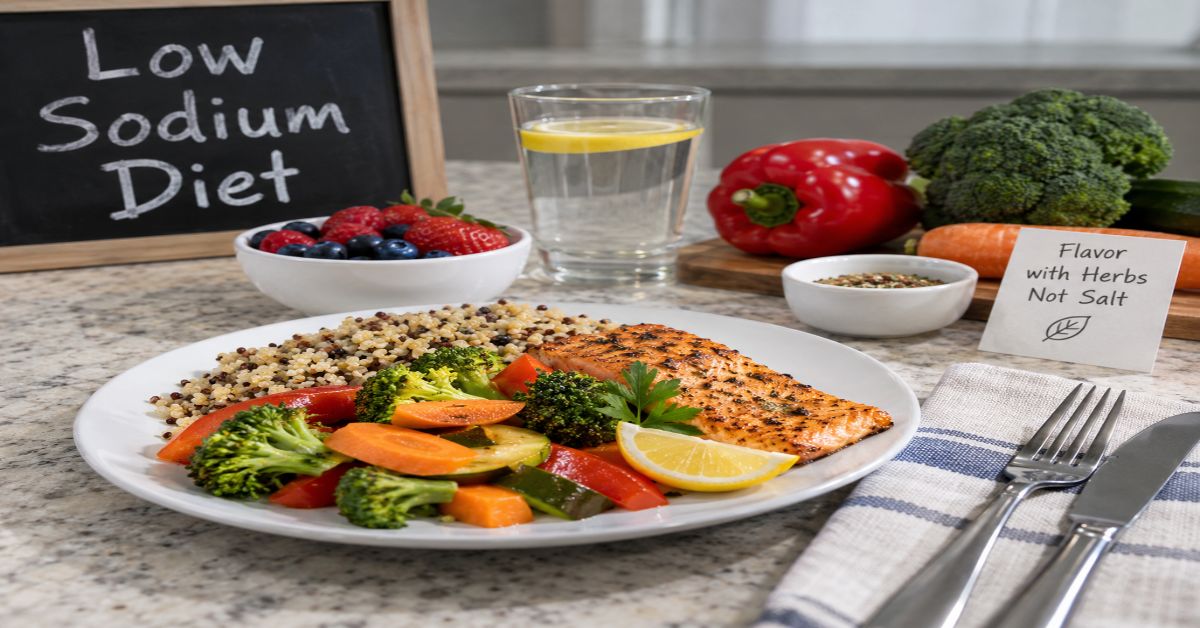
I think the hardest part of starting a low sodium diet is not giving up the saltshaker. It is realizing how much sodium can arrive before the shaker ever reaches the table. If you are searching for a clear way to eat less sodium, this guide gives you the daily targets, label rules, food choices, meal-planning tactics, and safety points you need to make the change without turning every meal into plain chicken and steamed vegetables.
A low sodium diet is an eating pattern that limits sodium, mainly by reducing packaged, prepared, restaurant, cured, brined, and heavily seasoned foods while emphasizing minimally processed ingredients. For most U.S. adults and teens age 14 and older, the standard daily limit used on food labels is less than 2,300 milligrams of sodium. The American Heart Association also identifies 1,500 mg per day as an optimal goal for most adults, especially when blood pressure is a concern, while the World Health Organization recommends less than 2,000 mg per day for adults. Your personal target can be different if a clinician has prescribed a specific sodium or fluid plan.
The useful mindset is to treat sodium like a daily budget rather than a forbidden ingredient. One restaurant meal, soup, sandwich, sauce-heavy dish, or processed meat can consume a large part of that budget, while a plate built from oats, fruit, unsalted nuts, fresh vegetables, plain grains, beans prepared without added salt, fish, poultry, eggs, and simple dairy can leave far more room. The goal is not to chase a perfect number at every bite. It is to identify the foods that contribute the most sodium, replace them strategically, and build enough flavor from acid, herbs, spices, aromatics, browning, and texture that the lower-sodium version still feels like real food.
What Is a Low Sodium Diet, and How Much Sodium Should You Eat?
Sodium is a mineral your body uses for fluid balance, nerve signaling, and muscle function. Salt and sodium are related but not identical: table salt is sodium chloride, and sodium is the part counted on nutrition labels. A low sodium diet therefore focuses on the milligrams of sodium you consume, not merely on whether a food tastes salty.
There is no single medical definition that fits every person. In everyday nutrition guidance, eating below the 2,300 mg Daily Value is a practical starting point. Some people, particularly those managing high blood pressure or following a clinician-directed plan, may aim closer to 1,500 to 2,000 mg. Do not automatically choose the lowest number if you have a condition, medication, heavy-sweating training schedule, or prescribed diet that changes your sodium needs.
The table below separates the major public-health targets so the numbers are easy to interpret.
| Guidance source or use | Daily sodium target | How to use it |
| U.S. Nutrition Facts Daily Value | Less than 2,300 mg | Useful as the standard label-based ceiling for ages 14 and older. |
| American Heart Association | No more than 2,300 mg; optimal goal 1,500 mg for most adults | A lower goal is especially relevant when blood pressure reduction is a priority. |
| World Health Organization | Less than 2,000 mg | Global adult recommendation, equivalent to less than 5 g of salt per day. |
| Clinician-prescribed plan | Individualized | Follow this when kidney, heart, liver, fluid-balance, or medication issues require a specific target. |
For scale, about one teaspoon of table salt contains roughly 2,300 mg of sodium, although the amount that fits in a teaspoon varies with crystal size. That is why measuring sodium by the nutrition label or recipe ingredients is more reliable than judging by teaspoons alone.
Why Does Lowering Sodium Matter?
Excess sodium can increase fluid retention and raise blood pressure in sodium-sensitive people. High blood pressure is a major risk factor for heart disease, stroke, and kidney disease, which is why sodium reduction appears in cardiovascular and kidney-health guidance.
The strongest practical lesson comes from the DASH-Sodium trial supported by the National Heart, Lung, and Blood Institute. In that controlled feeding study, 412 adults ate either a typical American dietary pattern or the DASH eating pattern at three sodium levels: about 3,300 mg, 2,300 mg, and 1,500 mg per day. Blood pressure fell as sodium intake decreased, and the combination of the DASH pattern plus the 1,500 mg sodium level produced the largest blood-pressure reduction.
That finding matters because sodium reduction works best as part of a food pattern, not as a single nutrient hack. A diet rich in vegetables, fruit, whole grains, legumes, nuts, fish, and appropriate dairy provides more than a lower sodium number. It also changes the overall mix of fiber, potassium, saturated fat, and food quality.
Where Does Sodium Hide in a Typical Diet?
The saltshaker gets most of the blame, but the bigger issue is often food that was salted before you bought it. The American Heart Association reports that more than 70% of sodium in the U.S. diet comes from packaged, prepared, and restaurant foods. Bread is a good example of a food that may not taste very salty but can contribute meaningful sodium because it is eaten frequently.
Instead of memorizing a long list of banned foods, identify high-impact categories first. This approach usually removes more sodium with less effort.
| Common sodium-heavy category | Why it adds up | Lower-sodium direction |
| Cured and processed meats | Salt is used for preservation and flavor. | Choose fresh poultry, fish, eggs, beans, or unseasoned meat more often. |
| Canned soups and instant noodles | Broth and seasoning packets can be sodium dense. | Use no-salt-added bases, homemade broth, or dilute and add vegetables and protein. |
| Pizza, sandwiches, and wraps | Bread, cheese, meat, sauces, and condiments stack sodium in one meal. | Reduce processed meat, use less cheese and sauce, and add fresh vegetables. |
| Sauces and condiments | Soy sauce, teriyaki, barbecue sauce, bottled dressings, and seasoning blends can concentrate sodium. | Use smaller amounts, choose lower-sodium versions, or build flavor with citrus, vinegar, herbs, garlic, and spices. |
| Frozen and ready meals | Convenience foods often rely on salt for flavor and shelf stability. | Compare labels and pair a lower-sodium entrée with fresh produce or plain grains. |
| Restaurant meals | Portions are large and seasoning is difficult to control. | Ask for no added salt when possible and request sauces, gravies, and dressings on the side. |
How Do You Read Food Labels on a Low Sodium Diet?
The Nutrition Facts label is the fastest way to make a low sodium diet measurable. The FDA sets the Daily Value for sodium at less than 2,300 mg per day. As a general label rule, 5% Daily Value or less per serving is considered low in sodium, while 20% Daily Value or more per serving is considered high.
Use the label in this order:
1. Check the serving size first. If you eat two servings, double the listed sodium.
2. Read the sodium milligrams, not just the front-of-package claim. This tells you what the portion actually contributes.
3. Use % Daily Value for quick comparison. A product at 5% DV is easier to fit into the day than a similar product at 20% DV.
4. Compare brands within the same category. Bread, tortillas, cheese, cereal, canned beans, sauces, and frozen meals can vary substantially.
5. Look at the whole meal. A moderate-sodium bread plus deli meat, cheese, pickles, and mustard can become a high-sodium sandwich even if no single item seems extreme.
Front-label terms can help, but they do not replace the Nutrition Facts panel. Also remember that ‘sea salt,’ ‘pink salt,’ and gourmet salts still contain sodium. Switching the type of salt without reducing the sodium amount does not create a low sodium diet.
What Should You Eat on a Low Sodium Diet?
A lower-sodium plate is easiest to build from foods that start with little added salt. That gives you control over seasoning instead of spending the sodium budget on ingredients you cannot adjust.
Vegetables and fruit: fresh or frozen options without salty sauces are naturally low in sodium and add volume, potassium, fiber, acidity, sweetness, and texture.
Whole grains and starches: oats, brown rice, quinoa, barley, potatoes, pasta, and other plain grains can be cooked without salt, then seasoned at the table or in a finished dish.
Proteins: fresh fish, poultry, eggs, tofu, unsalted nuts, lentils, and beans prepared without added salt make it easier to control the final sodium level.
Dairy: milk and plain yogurt can fit easily; cheese tends to be more sodium dense, so portion size and label comparison matter.
Fats and flavor carriers: olive oil, avocado, tahini without added salt, and unsalted nut butters can add richness without relying on salt.
How Can You Make Low Sodium Food Taste Better?
Flavor is not a synonym for salt. In practical cooking, I would build a lower-sodium dish through layers: browning for savoriness, aromatics for depth, acid for brightness, herbs and spices for identity, and texture for contrast. That combination makes the food taste complete even when the salt level drops.
Use lemon, lime, vinegar, tomatoes, or yogurt to add acidity.
Cook onions, garlic, ginger, scallions, or celery until aromatic before adding the main ingredients.
Toast dry spices briefly in a pan or bloom them in oil to intensify flavor.
Choose salt-free spice blends instead of blends that list salt as a leading ingredient.
Finish with fresh herbs, citrus zest, toasted unsalted seeds, or chopped nuts for aroma and texture.
Reduce sodium gradually if food tastes flat at first. The palate can adapt to less salty food over time.
How Can You Start a Low Sodium Diet Without Overhauling Everything?
The most sustainable approach is to cut sodium where it is concentrated, not to redesign every meal at once. A seven-day reset can reveal which changes produce the biggest return.
1. Day 1: Write down the sodium from one normal day of packaged foods and restaurant meals. Do not change anything yet. The goal is to find the largest contributors.
2. Day 2: Replace one high-sodium breakfast item with a lower-sodium base such as oats, fruit, eggs without processed meat, or plain yogurt.
3. Day 3: Compare labels on two foods you buy weekly, such as bread, tortillas, canned beans, cereal, or pasta sauce, and choose the lower-sodium option that still fits your preferences.
4. Day 4: Cook one dinner from mostly minimally processed ingredients. Keep sauces and salty condiments as accents rather than the base of the meal.
5. Day 5: Rinse canned beans or vegetables when appropriate, or buy no-salt-added versions. Drain and rinse rather than using the packing liquid in the dish.
6. Day 6: Practice one restaurant request: no extra salt, sauce on the side, dressing on the side, or a grilled or baked preparation instead of a brined or sauce-heavy option.
7. Day 7: Review the week and keep the three changes that removed the most sodium with the least inconvenience. Those become your defaults.
This decision ladder is useful when you need a fast choice instead of a perfect meal plan.
| Situation | Best first move | Useful backup |
| Grocery shopping | Compare sodium per serving between similar products. | Choose the product with fewer processed components. |
| Cooking at home | Start with unsalted or no-salt-added ingredients. | Use a measured amount of a salty ingredient for finishing flavor. |
| Ordering a sandwich | Skip or reduce cured meat and salty add-ons. | Use extra vegetables and keep condiments light. |
| Eating at a restaurant | Ask for sauces and dressings on the side. | Split a large portion and balance the rest of the day with lower-sodium foods. |
| Snacking | Choose fresh fruit, unsalted nuts, plain yogurt, or raw vegetables. | Check the label and portion a packaged snack rather than eating from the bag. |
Can You Eat Out While Following a Low Sodium Diet?
Yes, but restaurant food requires a different strategy because you do not control the recipe. The American Heart Association recommends asking for dishes without extra salt and requesting sauces, dressings, and gravies on the side. Words such as brined, cured, smoked, pickled, broth, au jus, soy, miso, barbecue, and teriyaki often signal more sodium, while grilled, baked, poached, roasted, or steamed preparations may be easier to manage.
Do not try to make one restaurant plate meet an unrealistically tiny sodium number if that makes the meal impossible. Instead, reduce the obvious sources, control portion size, and let the meals around it be naturally lower in sodium. A flexible system is more useful than an all-or-nothing rule.
Is a Low Sodium Diet Safe for Everyone?
Lowering excess sodium is appropriate for many adults, but a self-directed low sodium diet is not a substitute for medical nutrition therapy. People with chronic kidney disease, heart failure, liver disease, fluid-balance disorders, or medicines that affect sodium, fluid, blood pressure, or potassium may need individualized targets. Endurance athletes and people who lose unusually large amounts of salt through sweat may also need advice tailored to training, climate, and hydration.
Be especially careful with potassium-based salt substitutes. They can reduce sodium, but NIDDK notes that many salt substitutes are rich in potassium and may be unsafe for some people with kidney disease or for people taking medicines that affect potassium. If your clinician has told you to limit potassium, or if you take medicines that can raise potassium, ask before using a potassium chloride salt substitute.
Also, low blood sodium, called hyponatremia, is a medical condition involving the concentration of sodium in the blood. It is not the same thing as simply eating a lower-sodium diet. If you have been diagnosed with hyponatremia or have been given a fluid or sodium prescription, follow your treatment plan rather than general internet targets.
What Evidence Supports a Low Sodium Diet?
This article is based on current public-health guidance and controlled diet research rather than an invented universal meal plan. The most important evidence points are the 2,300 mg U.S. Daily Value, the AHA recommendation of no more than 2,300 mg with an optimal 1,500 mg goal for most adults, WHO’s less-than-2,000 mg recommendation, and the DASH-Sodium trial showing progressive blood-pressure reductions as sodium intake fell.
For readers who want to verify the recommendations directly, these are the primary and major health-organization sources used:
CDC: Nutrition Facts Label and Your Health
American Heart Association: How Much Sodium Should I Eat Per Day?
NHLBI: DASH Health Benefits and DASH-Sodium Trial
WHO: Reducing Sodium Intake to Reduce Blood Pressure and Cardiovascular Risk
NIDDK: Healthy Eating for Adults with Chronic Kidney Disease
Conclusion: Make Sodium Reduction a System, Not a Test of Willpower
A low sodium diet becomes much easier when you stop treating salt as the only problem. The highest-value moves are to compare labels, reduce processed and restaurant foods that stack multiple sodium sources, cook more often from minimally processed ingredients, and use acid, aromatics, spices, browning, and texture to protect flavor. Pick a sodium target that matches established guidance or your clinician’s plan, then build repeatable food choices around it. The win is not a perfectly low number on one day. It is a pattern you can follow long enough for the health benefit to matter.
Frequently Asked Questions About a Low Sodium Diet
Can I have salt at all on a low sodium diet?
Usually, yes. A low sodium diet limits total sodium rather than banning every grain of salt. If most of your food is minimally processed, a measured amount of salt may fit your daily target. A clinician-prescribed plan can be stricter, so follow that if you have one.
Is sea salt better than table salt for a low sodium diet?
Not in a way that removes the need to track sodium. Sea salt, kosher salt, pink salt, and table salt all contain sodium. Crystal size can change how much fits in a spoon, but the nutrition label or measured sodium amount is the better comparison.
Are foods labeled “no salt added” sodium free?
Not necessarily. “No salt added” means salt was not added during processing, but the food may still contain naturally occurring sodium or sodium from other ingredients. Check the Nutrition Facts panel for the actual milligrams per serving.
Can rinsing canned food lower sodium?
Rinsing can remove some sodium from foods packed in salty liquid, but the amount varies by food and brand. Buying no-salt-added or lower-sodium versions gives you more predictable control, then rinsing can be an additional step when appropriate.
What is the easiest low sodium breakfast?
A simple option is plain oats topped with fruit, unsalted nuts or seeds, and milk or yogurt that fits your needs. Eggs with vegetables, without processed breakfast meat or heavily salted cheese, are another practical choice. Compare labels on breads and cereals because sodium can vary substantially.
How long does it take to get used to less salty food?
There is no exact timeline for everyone, but taste preference can shift as you consistently eat less salty food. Reducing sodium gradually and increasing acidity, herbs, spices, and aromatic ingredients usually makes the adjustment easier than removing salt abruptly from every meal.
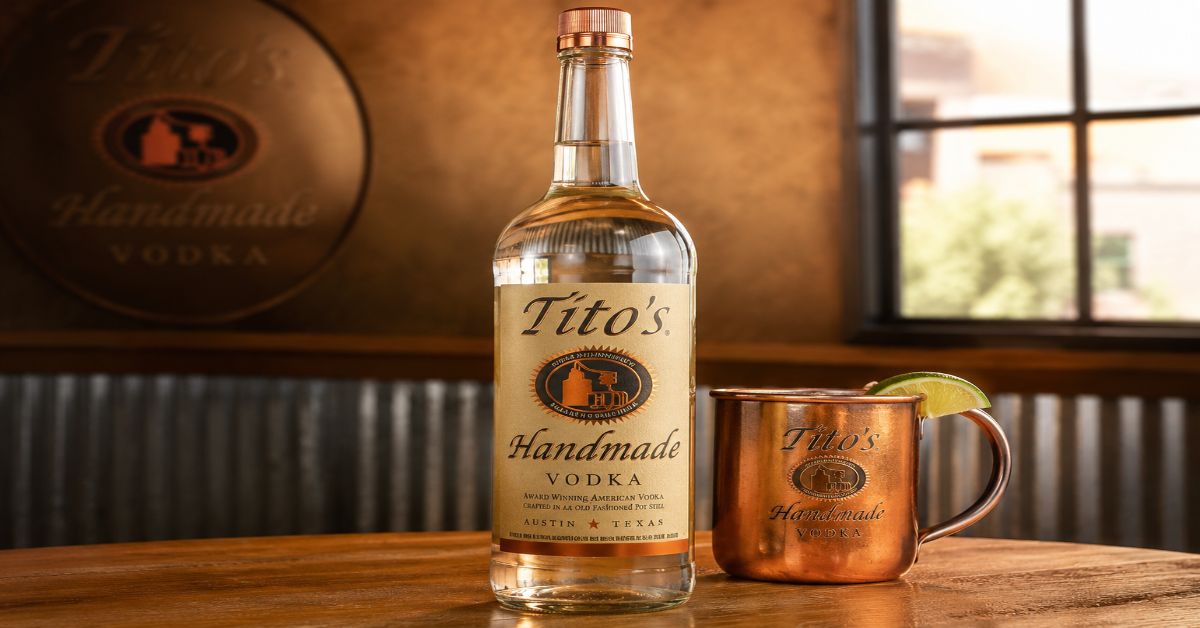
Type “titos” into a search bar and you are usually trying to get past the label fast: What is Tito’s Handmade Vodka, what is it made from, how strong is it, and is it a sensible bottle for cocktails or a home bar? Tito’s is an American, corn-based, unflavored vodka made in Austin, Texas, at 40% alcohol by volume, or 80 proof. The brand also states that the vodka is certified gluten-free, and its current lineup centers on one vodka rather than a collection of flavored expressions.
I built this guide around the questions I would want answered before choosing or serving a vodka, not around advertising language. That means separating fixed product facts from taste impressions, explaining what “corn-based” and “80 proof” actually mean in the glass, and showing where Tito’s fits for different kinds of drinkers. I also cross-checked the core details against Tito’s current product FAQ and brand timeline, the National Institute on Alcohol Abuse and Alcoholism for the U.S. standard-drink definition, and recent Forbes reporting for context on the company’s scale.
The short version is simple: Tito’s became a major U.S. vodka brand by pairing a straightforward product with an equally straightforward identity. It is distilled from corn, bottled at the standard 40% ABV common to many vodkas, sold without added flavor variants, and designed to work in simple highballs as comfortably as in familiar cocktails. The more useful question is not whether the bottle is universally “best.” It is whether its clean profile, corn base, Austin origin, certified gluten-free status, and unfussy presentation match what you want from vodka titos.
Direct answer: Titos usually refers to Tito’s Handmade Vodka, a corn-based American vodka distilled and bottled in Austin, Texas. It is 40% ABV, or 80 proof, is certified gluten-free according to the brand, and is sold as an unflavored vodka intended for both simple mixed drinks and classic vodka cocktails titos.
What Is Titos, Exactly?
Tito’s Handmade Vodka is produced by Fifth Generation, Inc. in Austin. The company’s story begins with founder Bert “Tito” Beveridge, who experimented with infused vodka before deciding to build a distillery in Texas. Tito’s official timeline says he obtained permits in 1995, broke ground on 12 acres in southeast Austin, and sold the first case of Tito’s Handmade Vodka in 1997 titos.
That origin story matters because the brand still leans heavily on a few early choices: a plain stock bottle, a paper label, a copper-colored cap, corn as the base ingredient, and pot-still distillation. The company describes its facility as Texas’ first legal operating distillery. Forbes has also documented Beveridge’s bootstrapped start, including the use of 19 credit cards to finance the early business titos.
This snapshot separates the current product facts from the broader brand story.
| FACT | CURRENT DETAIL | WHY IT MATTERS |
| Brand | Tito’s Handmade Vodka | The product commonly meant by the search term “titos” |
| Producer | Fifth Generation, Inc. | Company named on current brand materials |
| Origin | Austin, Texas | Distilled and bottled in Austin |
| Base ingredient | Corn | Distinguishes it from wheat-, rye-, or potato-based vodkas |
| Strength | 40% ABV / 80 proof | Standard full-strength vodka |
| Flavor lineup | Unflavored vodka only | No bottled flavored Tito’s variants |
| Certification | Certified gluten-free | Current brand FAQ cites Gluten Intolerance Group certification |
How Big Has Tito’s Become?
The scale is now very different from the early distillery story. Tito’s website currently cites Nielsen Total US Universe data for the 52 weeks ending November 2, 2024, when describing the brand as “America’s Favorite Vodka.” Separately, Forbes reported in its 2026 profile of Bert Beveridge that the company was estimated to have sold more than 12 million cases in 2024 titos.
Those figures are useful context for shoppers who still associate the word “handmade” with a tiny local producer. Tito’s has craft-era roots, but it is a large national brand. That does not by itself tell you whether you will like the vodka, but it does explain why Tito’s is easy to encounter in bars, restaurants, airport lounges, event venues, and liquor stores across the United States titos.
What Is Tito’s Vodka Made From?
Tito’s is made from corn. That point is unusually important because many shoppers assume all vodka starts from potatoes. Vodka can be distilled from multiple fermentable agricultural materials, and the base ingredient varies by producer. Tito’s chose corn and has kept that identity central to the product.
The brand says the bulk of its corn comes from the U.S. Midwest. It also says the vodka is made in old-fashioned pot stills and taste-tested in batches. Those details describe the production approach, but they should not be stretched into claims that one method automatically produces a “better” vodka. Final quality depends on the entire process, including fermentation, distillation, cuts, filtration if used, proofing, and consistency controls.
Is Tito’s Gluten-Free?
Yes, current Tito’s product information states that Tito’s Handmade Vodka is certified gluten-free by the Gluten Intolerance Group. The bottle is also made from corn rather than wheat, rye, or barley.
For readers managing celiac disease, allergies, or another medical dietary restriction, the most useful practice is to check the current bottle and certification information rather than relying on an old article or a general rule about distilled spirits. Product labeling and individual medical needs are more relevant than assumptions.
The key composition and serving facts are easiest to compare in one place.
| QUESTION | VERIFIED ANSWER | PRACTICAL CONTEXT |
| What is it made from? | Corn | Brand says most corn comes from the U.S. Midwest |
| How strong is it? | 40% ABV / 80 proof | A 1.5 oz pour is about one U.S. standard drink |
| Calories per 1.5 oz | 98 calories | Mixer calories are additional |
| Gluten-free? | Yes, certified | Current FAQ cites Gluten Intolerance Group certification |
| Flavored versions? | No | Flavor comes from mixers or home infusions, not a Tito’s flavor lineup |
Does Tito’s Make Flavored Vodka?
No. Tito’s current FAQ says the company makes one unflavored vodka and does not sell flavored expressions. If you see a “Tito’s strawberry,” “Tito’s lemon,” or similarly named drink on a menu, that normally describes a cocktail or an infusion made with Tito’s, not a flavored vodka bottled by the brand.
This single-product strategy is one of the clearest ways Tito’s differs from vodka companies that build large portfolios around citrus, berry, vanilla, whipped-cream, or ready-to-drink flavor extensions. For buyers who want a neutral base to customize at home, that simplicity can be a strength. For someone who wants a flavored spirit straight from the bottle, it is a limitation.
What Does Titos Taste Like?
Vodka is designed to be relatively neutral, so useful tasting notes should stay modest. With Tito’s, expect a clean, soft profile with a faint impression of sweetness and a light grain character rather than an aggressively aromatic flavor. The finish is typically perceived as crisp and straightforward, which is why the spirit works easily with soda, citrus, ginger, cranberry, tomato, coffee, and other strong mixers.
Temperature changes the experience. Chilling vodka suppresses aroma and softens the perception of alcohol, while serving it closer to room temperature makes the spirit’s texture, heat, and small flavor differences easier to notice. If you are evaluating Tito’s rather than simply mixing it, try a small measured pour cool but not ice-cold, then add a few drops of water and compare the aroma and finish.
I would not call any tasting note universal because perception changes with glassware, temperature, recent food, dilution, and the drinker’s sensitivity to ethanol. A more practical conclusion is that Tito’s sits in the clean, mixable lane of vodka rather than the highly distinctive lane occupied by spirits whose botanicals, oak aging, smoke, or agave character dominate the glass.
How Strong Is Tito’s Vodka?
Tito’s is bottled at 40% alcohol by volume, which equals 80 proof in the United States. That is a standard strength for vodka and puts it in the same general alcohol range as many unflavored vodkas, gins, rums, and whiskies.
The National Institute on Alcohol Abuse and Alcoholism defines one U.S. standard drink as containing about 14 grams, or 0.6 fluid ounces, of pure alcohol. For an 80-proof distilled spirit such as Tito’s, a 1.5-fluid-ounce pour is approximately one U.S. standard drink. A large home pour or a cocktail containing two measured shots can therefore contain two or more standard drinks even if it arrives in a single glass.
How Should You Drink Tito’s?
There is no single correct serve. Tito’s works best when the drink format matches what you want from vodka: neutrality, texture, chill, dilution, or a clean alcoholic backbone behind other ingredients. For a first bottle, start with simple combinations before moving into recipes with several modifiers. That makes it easier to learn what the vodka contributes.
These starting formats show how Tito’s behaves in different drink styles; the ratios are practical starting points, not mandatory recipes.
| SERVE | STARTING FORMAT | WHAT IT REVEALS |
| Vodka soda | 1.5 oz Tito’s + 3 to 4 oz soda + citrus | Cleanliness, dilution, finish |
| Mule | 1.5 oz Tito’s + ginger beer + fresh lime | How the vodka holds up to spice and sweetness |
| Martini-style | Measured Tito’s + dry vermouth, well chilled | Texture and alcohol heat with fewer distractions |
| Bloody Mary | 1.5 oz Tito’s + seasoned tomato mix | Versatility with savory, high-flavor ingredients |
| Citrus sour | 1.5 oz Tito’s + lemon/lime + measured sweetener | Balance once acidity and sugar are introduced |
Which Tito’s Cocktails Make the Most Sense?
Three styles are especially useful for understanding the bottle. A vodka soda shows how cleanly the spirit handles dilution and citrus. A mule adds ginger heat and sweetness, which can cover rough edges in a vodka but also rewards a spirit that stays present without fighting the mixer. A martini-style drink puts the vodka under a brighter spotlight because vermouth and dilution leave less room to hide texture or alcohol heat.
Tito’s own recipe library also includes drinks such as a Bloody Mary, Lemon Drop, Bay Breeze, Dirty Shirley, and several fruit-forward highballs. Treat those as templates rather than requirements. The simplest home-bar rule is to measure the spirit, use fresh citrus when it matters, chill the drink properly, and adjust sweetness only after tasting.
Is Tito’s a Good Vodka for a Home Bar?
For many home bars, yes. Tito’s covers the basic jobs people usually ask of vodka: highballs, brunch drinks, citrus cocktails, espresso-style drinks, party punches, and simple mixed drinks. Because the brand does not force a strong flavor signature into a recipe, it is easy to substitute in drinks that simply call for “vodka.”
The decision becomes clearer when you compare the bottle with your actual priorities. Someone buying vodka mainly for mixing may value availability, consistency, standard 80-proof strength, and a neutral profile more than ornate packaging. Someone building a tasting-focused spirits collection may care more about unusual base materials, distinctive texture, small-production provenance, or a clearly different flavor story.
Who Is Tito’s Best For?
Tito’s is a strong fit for drinkers who want a widely available American vodka, prefer an unflavored bottle, need a current certified gluten-free option, or want one versatile spirit for several familiar cocktails. It also suits hosts who would rather buy one recognizable vodka than maintain multiple flavored bottles.
It is less suited to shoppers specifically looking for flavored vodka, a luxury bottle presentation, or a spirit with a dramatic aroma and flavor profile. Those are not quality defects. They are simply different purchase criteria.
What Makes Titos Different From Other Vodkas?
The most defensible differences are concrete rather than mystical. Tito’s is made from corn, produced in Austin, uses pot stills according to the company, carries gluten-free certification, sticks to one unflavored vodka, and has retained a deliberately plain package with its recognizable copper cap.
Its brand history is also unusually tied to the rise of American craft spirits. Tito’s timeline places the first commercial case in 1997, before the modern U.S. craft-distilling boom became crowded. Yet today the brand operates at mass-market scale. That tension between craft origin and national volume is part of what makes Tito’s commercially interesting.
Is “Handmade” the Most Important Thing to Judge?
Not really. For a buyer, “handmade” is less useful than measurable product facts and your own use case. Start with the base ingredient, ABV, certification, flavor range, intended cocktails, price in your local market, and whether you actually enjoy the texture and finish.
That approach avoids a common mistake in spirits shopping: treating production language as a shortcut for quality. A romantic origin story can be interesting, but repeatable flavor, suitability for the drink you are making, transparent label information, and responsible serving matter more once the bottle is open.
Is Titos Worth Buying?
Tito’s is worth considering when you want an approachable, unflavored 80-proof vodka with broad cocktail utility and easy availability. Its strongest case is not exclusivity. It is predictability: one core product, a recognizable profile, a corn base, and enough neutrality to move from a soda highball to a Bloody Mary or martini-style drink without requiring a different bottle.
Value still depends on local pricing. Alcohol prices vary by country, state, taxes, retailer, bottle size, and promotions, so a universal “good price” quickly becomes inaccurate. Compare Tito’s against other 750 ml bottles in the same store, then decide whether the brand’s specific attributes matter enough to justify any premium.
How to Evaluate a Bottle of Tito’s Before You Buy
A quick buying check is more useful than relying on rankings. Use the label and your planned serve to make the decision.
Confirm the bottle size and local price so you are comparing like with like.
Check the 40% ABV or 80-proof statement on the label.
If gluten-free certification matters to you, verify the current certification mark or manufacturer information.
Decide whether you want unflavored vodka. Tito’s does not offer flavored versions.
Match the bottle to the drinks you actually make. For soda, mules, Bloody Marys, citrus drinks, and many classic vodka cocktails, a neutral 80-proof vodka is usually the practical target.
Measure your first serve. A 1.5-ounce pour of 40% ABV spirits is about one U.S. standard drink, while many cocktails contain more.
This checklist also makes the article useful beyond Tito’s. It turns a brand search into a repeatable way to shop for vodka based on facts instead of shelf position or packaging alone.
Conclusion
Tito’s is easiest to understand as a focused, mainstream American vodka with craft-era roots. The facts that matter are straightforward: corn base, Austin production, 40% ABV, certified gluten-free status, no flavored vodka lineup, and a neutral style built for flexible mixing.
The best reason to buy it is not because a label, ranking, or origin story tells you to. Buy it when those characteristics match your needs and the local price makes sense. If you are comparing bottles, judge Tito’s on the drink in front of you: measured pour, proper dilution, fresh mixer, and whether the finished cocktail tastes balanced.
Frequently Asked Questions About Titos
Is Tito’s vodka made from potatoes?
No. Tito’s Handmade Vodka is made from corn. Potato vodka exists, but Tito’s current product information specifically identifies corn as its base ingredient.
What proof is Tito’s Handmade Vodka?
Tito’s is 80 proof in the United States, which equals 40% alcohol by volume.
How many calories are in a shot of Tito’s?
Tito’s official FAQ lists 98 calories per 1.5-ounce serving. The calorie count of a finished cocktail will be higher when you add juice, regular soda, syrups, liqueurs, or other caloric ingredients.
Can you tour the Tito’s distillery in Austin?
Not currently. Tito’s FAQ says the distillery is not open to the public. The company instead directs visitors to the Love, Tito’s Retail Store in downtown Austin.
Does Tito’s sell vodka outside the United States?
Yes. Tito’s maintains an international distribution page for overseas markets, although availability varies by country and distributor.
Why does Tito’s have a copper-colored cap?
The copper cap is part of the brand’s shelf identity and is repeatedly used in Tito’s product and brand materials as an easy visual cue for finding the bottle.
-

 Guide3 weeks ago
Voozon.com Guide: What It Is and How It Works
-

 General4 weeks ago
OnlyFans Leaks: How They Happen and How to Reduce the Risk
-

 General4 weeks ago
Spanking Stories: A Reader’s Guide to Themes, Tags and Safer Choices
-

 Technology1 month ago
Listcrawler: How List Crawlers Extract Structured Web Data
-

 Guide1 month ago
How to Run a Marathon: A Practical First-Marathon Guide
-

 General3 weeks ago
SABS Framework Description Paragraph: Practical Guide
-

 Technology4 weeks ago
Coomer.su Explained: Architecture, Data Flow, API Changes and Resilient Client Design
-

 General4 weeks ago
Socialmediagirls Explained: Safety, Privacy, Forum Structure, Leaks and Rules